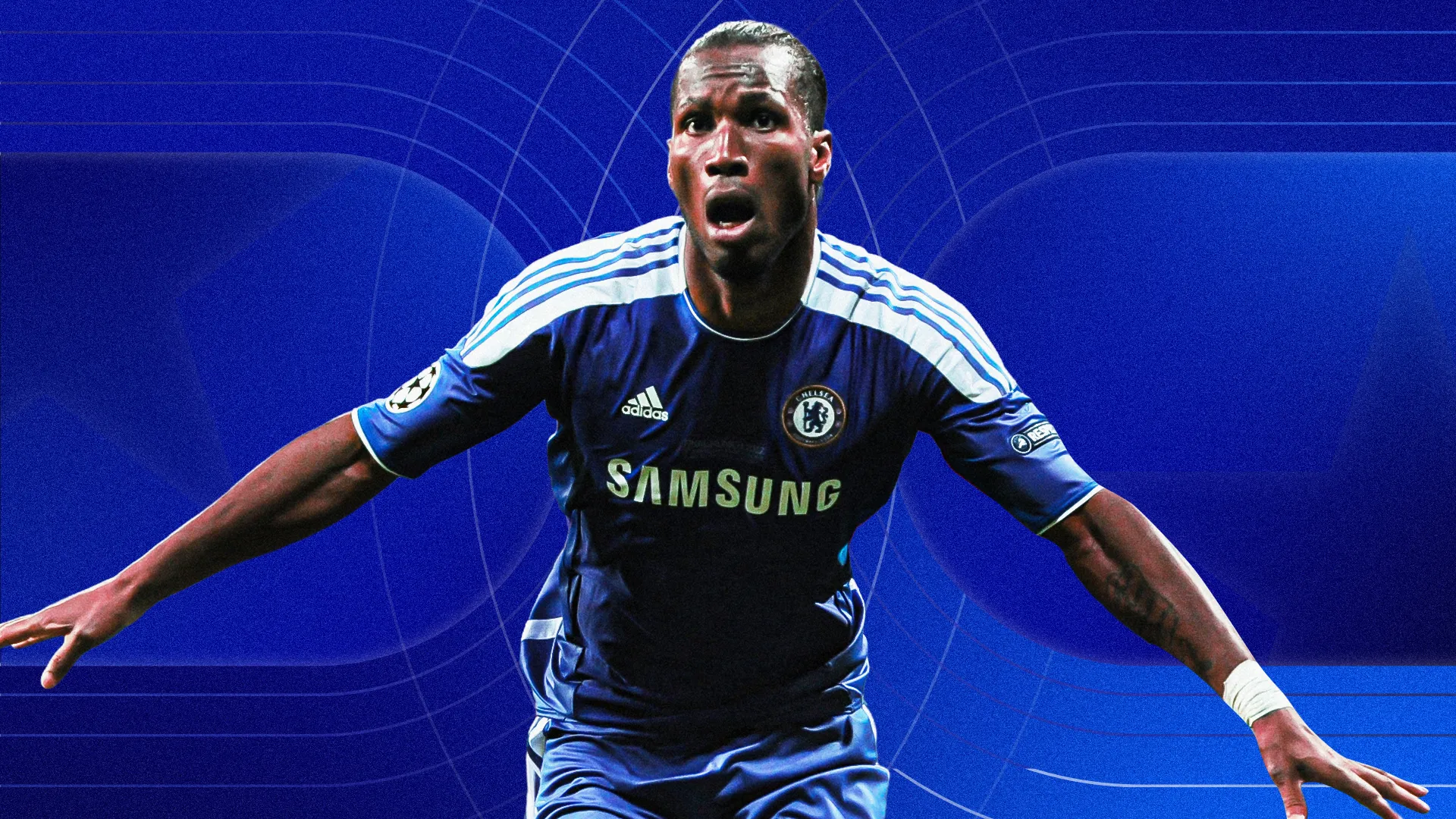
Chelsea's journey in European football has been marked by significant challenges over the years, with memories of disappointment lingering since their loss to Manchester United in the 2008 Champions League final. The following years brought more heartache, including the controversial officiating by referee Tom Henning Ovrebo against Barcelona in 2009, which ended with a late goal from Andres Iniesta knocking Chelsea out at Stamford Bridge. In 2010, they were eliminated by Jose Mourinho and Inter Milan in the round of 16, and the next year they faced a double setback against Manchester United in both the quarter-finals of the Champions League and the Premier League title race.
Read More
As the 2010-11 season concluded, doubts filled the air regarding Chelsea's ability to compete at the highest level. However, owner Roman Abramovich brought in Andre Villas-Boas from Porto that summer, believing he would transform Chelsea into a dominant force in European football. Villas-Boas, then just 33, aimed to replace the team's counter-attacking style with a more modern approach and lead a transition to a younger squad.
Instead, his tenure became contentious. Villas-Boas's insistence on a high defensive line exposed Chelsea's older defenders, while his treatment of established players like Frank Lampard, Ashley Cole, and Didier Drogba led to tensions within the squad. This struggle for control escalated leading up to a crucial match against Napoli in February 2012. With pressure mounting, Villas-Boas remained optimistic about the future of the team's project, assuring reporters of his long-term vision despite the growing unrest.
In that first leg against Napoli, he made a controversial choice by benching key players. Chelsea initially took the lead through Juan Mata, but Napoli's swift attack, spearheaded by Edinson Cavani and Ezequiel Lavezzi, quickly shifted the momentum. They came back to win 3-1, exploiting gaps in Chelsea's midfield and defense.
Following a disappointing loss to West Brom just days later, Abramovich decided to end Villas-Boas's tenure, dismissing him after 256 days. Chelsea, then fifth in the Premier League and facing an exit from European competition, turned to assistant coach Roberto Di Matteo as caretaker, seeking to restore harmony within a fractured squad.