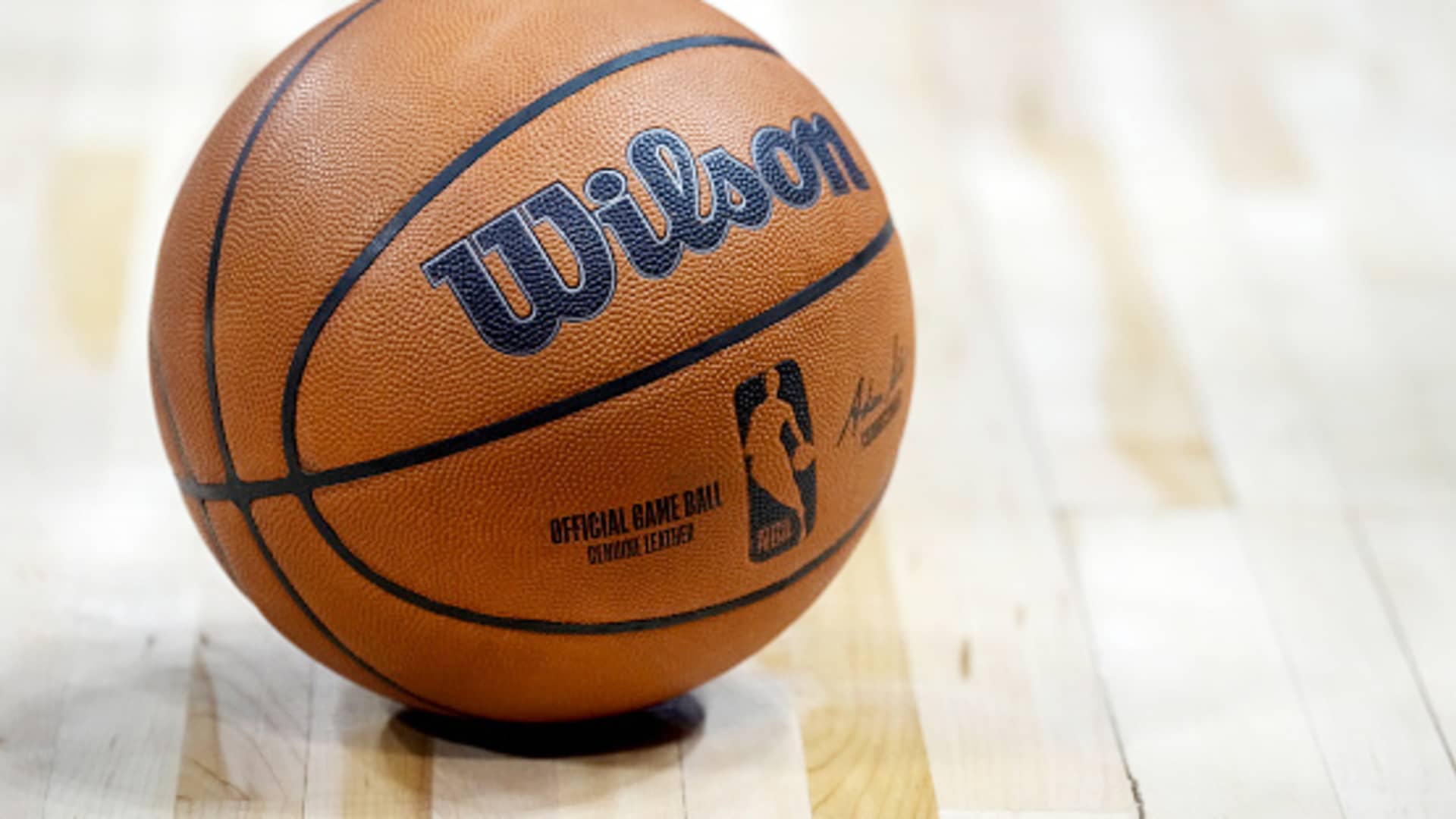
NBA Commissioner Adam Silver announced that the league is working on implementing a "smart ball" with embedded technology as early as 2027, which could change how officials make calls during games. In an interview with CNBC's Contessa Brewer, Silver explained that the NBA is collaborating with Wilson, the official basketball manufacturer, to develop a ball containing a microchip Bluetooth sensor capable of tracking movement, spin, and trajectory changes.
Read More
The technology has been tested in the NBA's G League, Summer League, and selected preseason games. According to Silver, players have reported no noticeable difference when using basketballs equipped with the chip, which weighs approximately one gram compared to the traditional basketball’s 620 grams. Silver emphasized the goal is to ensure that experienced players do not feel any change in the ball's performance.
One immediate application of this technology could enhance officiating, helping referees determine whether a player last touched the ball before it went out of bounds by detecting subtle variations in spin. Silver mentioned that implementation for officiating could begin as soon as next year.
Beyond officiating, Silver noted that the smart ball technology could benefit players of all ages by allowing them to analyze their shooting mechanics. Data from the chip could assist in determining which shooting angles and rotations lead to successful baskets.
While the officiating version may debut soon, Silver indicated that the consumer product could take longer to develop. He expressed optimism about this potential opportunity for basketball enthusiasts.
In addition to the smart ball, the NBA is investigating the use of wearable technology during games, but negotiations with the National Basketball Players Association have yet to reach a definitive agreement. A pilot program featuring wrist wearables for referees was conducted during recent preseason and summer league games, enhancing communication with the replay center regarding reviews and scoring changes.
Silver pointed out that players often use wearables off the court to track health metrics, yet there are lingering concerns about how game-related data might be used by teams, particularly regarding its impact on contract discussions. He acknowledged these worries and emphasized the necessity for a consensus with the players’ union on the use of such information. Silver noted that players already utilize wearables extensively, and incorporating them in-game is a logical progression.