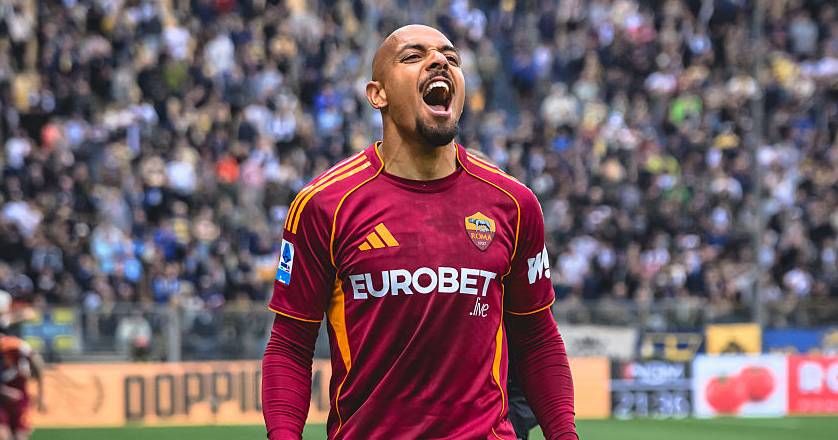
Umberto Calcagno, president of the AIC (Italian Footballers’ Association), recently highlighted the ineffectiveness of Italy's betting advertising ban during a Senate hearing. He stated, “There is no sense that a ban on betting advertising even exists,” reflecting a widely recognized reality: betting messages continue to permeate Italian football despite the prohibition established by the Dignity Decree.
Read More
Ezio Simonelli, president of Lega Serie A, expressed support for lifting the ban, arguing it negatively impacts clubs and the sport overall. This issue has gained renewed attention, particularly following controversies such as Andrea Pirlo's association with Russian bookmaker Fonbet and subsequent scrutiny of gambling entities by Italy's Customs and Monopolies Agency (ADM).
As the 2026/27 Serie A season approaches, the presence of betting-related sponsors on team kits has become undeniable. Notably, Inter displays Betsson.sport, Roma has Eurobet.live, and Monza features DAZN Bet Club. Other brands like Kaiyunsports.news and bet365 Scores also appear on kits, maintaining a clear link to betting, though they offer various services, including digital payments.
The legality of these sponsorships is contentious. Article 9 of the Dignity Decree bans “any form of advertising... relating to games or betting with cash prizes.” Yet, certain sponsors insist they provide services unrelated to betting, presenting themselves as sports content or information platforms. This framing allows the companies to operate within the legal boundaries, though their affiliation with betting remains evident.
Cross-border regulations illustrate the disparity in enforcement. For instance, Inter did not display Betsson.sport during a match in Spain due to local restrictions. Meanwhile, the Premier League plans to eliminate betting brands from match shirts starting in the 2026/27 season, and Brazil is experiencing a major shift in football sponsorships amid political pressures to curb gambling.
Data from the FIGC revealed that annual betting on football in Italy surpassed €16 billion, underscoring the financial stakes involved. Before the Dignity Decree, betting companies were a significant sponsorship source, with twelve Serie A clubs partnered with gambling businesses during the 2017/18 season. The estimated worth of these agreements has not diminished, as Betsson.sport reportedly pays Inter about €30 million yearly, while Roma receives around €13 million from Eurobet.live.
A broader examination reveals that 67% of clubs competing in the top divisions of the EU and UK during the 2024/25 season had at least one gambling-related sponsor, totaling around €125 million invested in English football shirts. This indicates a substantial reliance on betting sponsorships across European football.
Moreover, promotion of betting occurs outside the pitch via sports programs and websites that present odds comparisons, which fall within a gray area of the regulations and bypass the restrictions of the advertising ban. Insights from Lega Serie A's True Data campaign emphasize this integration of gambling into the sport's narrative.
With the passage of Law 166 on September 25, 2026, sponsorship expenses related to gambling information services will no longer be tax-deductible, which may affect sponsorship agreements. However, this measure alone will not resolve the ongoing presence of betting brands within football or clarify the legal gray area allowing these sponsorships to persist. As it stands, the Italian government faces pressure to either enforce the ban effectively or acknowledge and regulate the existing sponsorship landscape.