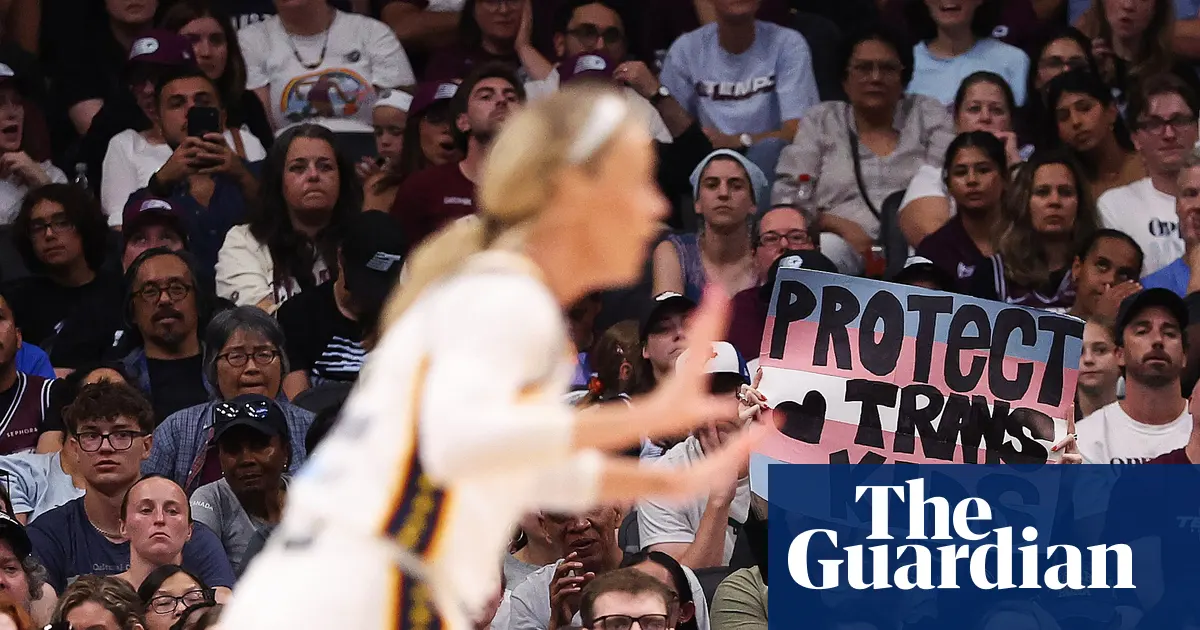
During a recent WNBA playoff game between the New York Liberty and the Atlanta Dream at Wilka’s Sports Bar in lower Manhattan, a diverse crowd of fans, primarily from the LGBTQ+ community, showed strong support for the league. As Liberty player Jonquel Jones blocked a shot from Dream forward Angel Reese, cheers erupted in the bar, showcasing the enthusiasm for powerful female athletes. One fan noted, "I love strong women, and I love supporting strong women," emphasizing the community spirit in attendance.
Read More
Wilka’s Sports Bar, which prominently displays a sign stating "trans people belong in sports," reflects the broader WNBA fanbase that is notably queer. However, recent headlines do not capture the league's stance. Since the summer, right-wing activists have targeted the WNBA with campaigns aimed at banning trans women and girls from sports. Notably, the league does not have an explicit policy regarding trans women, nor do any trans women currently play in the WNBA.
Many players and fans have publicly denounced anti-trans rhetoric. Players like Natasha Cloud of the Chicago Sky and Gabby Williams of the Golden State Valkyries have expressed support for the trans community. Williams stated she would welcome a trans teammate. Fans have also taken action, holding rallies and demonstrating support through signs and safe spaces designed for women and LGBTQ+ supporters.
The backlash against the WNBA escalated in July following comments made by Indiana Fever player Sophie Cunningham, who expressed a desire to "protect young girls" from having to compete against "biological men." This sparked significant media focus, with Fox News airing over 200 segments related to Cunningham's remarks. Meanwhile, the sportswear company XX-XY, which promotes banning trans athletes based on their assigned sex at birth, gained notoriety by advocating their views in sports environments.
Anna Castro from the Transgender Law Center commented on the wave of anti-trans sentiment, noting that it reflects broader efforts to roll back the rights of trans individuals across the U.S. A June ruling from the conservative-majority Supreme Court upheld state bans on trans girls participating in school sports. Several upcoming state measures aim to restrict trans athletes' participation while claiming to protect girls' sports, despite public opinion largely opposing such initiatives.
At WNBA games, there have been confrontations, including one involving Fever co-owner Celeste Keaton, who challenged anti-trans supporters during a game. Additionally, incidents of harassment at venues have led fans to feel unsafe. Many are organizing against this aggression, participating in rallies to affirm their stance on inclusion in sports.
A notable example of this activism occurred when Turning Point USA organized a pro-Cunningham rally, prompting supporters of trans rights to hold a counter-rally. Efforts have also been made in the Bay Area, where parents of trans youth have shown appreciation for supportive players by distributing signs at games.
As the WNBA finals approach, fans in California and Washington plan to rally, bringing attention to a proposed ballot measure in Washington that would bar trans girls from K-12 sports teams. These actions reflect the community's desire for inclusion and support for trans youth in sports, emphasizing the camaraderie that sports can inspire.