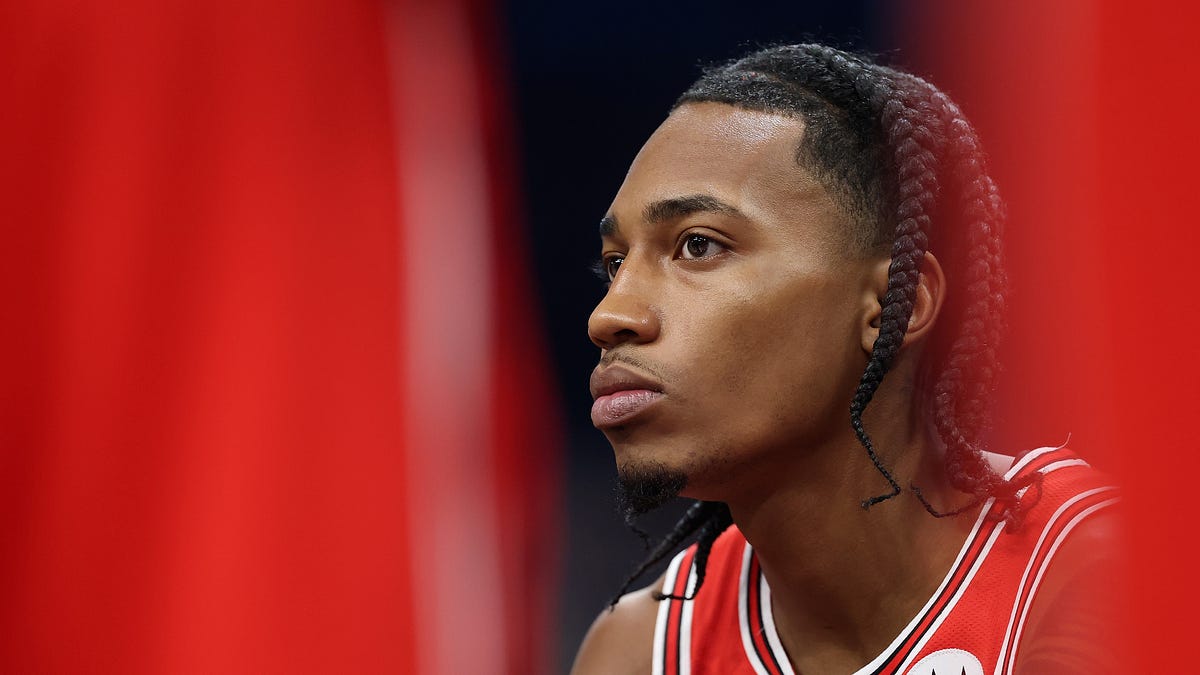
Rob Dillingham's recent career trajectory raises questions about the NBA’s evolving approach to young player development. Once the eighth overall pick in the 2024 NBA Draft, Dillingham is now without an NBA contract after stints with the Minnesota Timberwolves, Chicago Bulls, and Charlotte Hornets.
Read More
On draft night, Minnesota aggressively traded up to select Dillingham, indicating a strong interest in his potential. They relinquished valuable future draft picks to ensure they could acquire him from the San Antonio Spurs. Yet, just over two years later, he finds himself out of the league, prompting speculation about the factors behind this swift decline.
Initial expectations for Dillingham were high due to his standout performance at the University of Kentucky. He averaged 15.2 points and impressive shooting percentages during his freshman year, suggesting he could thrive in a structured environment under coach John Calipari. However, insights during his rookie season indicated a shift in his game. Instead of playing freely, Dillingham appeared to focus on avoiding mistakes, which limited the creativity that made him an appealing prospect.
After being traded to Chicago, Dillingham’s performance continued to falter, averaging 9.6 points and shooting poorly from the three-point range. The inability to maintain a high level of shooting efficiency has raised concerns about his fit in the NBA, especially as smaller guards often need to excel in this area to offset their physical limitations.
Compounding this is the increasing patience of NBA teams with young players. Organizations may now be more adept at evaluating a player’s potential impacts and limitations, suggesting that Dillingham's shortcomings as a player might have been underestimated during the draft process.
The debate surrounding Dillingham reflects larger themes within the NBA concerning developmental strategies and roster construction. With the league placing a premium on size and defensibility, smaller guards like Dillingham face tough challenges when transitioning from collegiate ball to the professional level. The question remains: what specific skill does Dillingham possess that could make teams willing to overlook his size? His success at the NBA level will hinge on finding a role that plays to his strengths.
As Dillingham seeks another chance to build his career, the NBA landscape continues to evolve, demanding robust evaluations that balance young talent’s potential against the reality of their performance on the court.