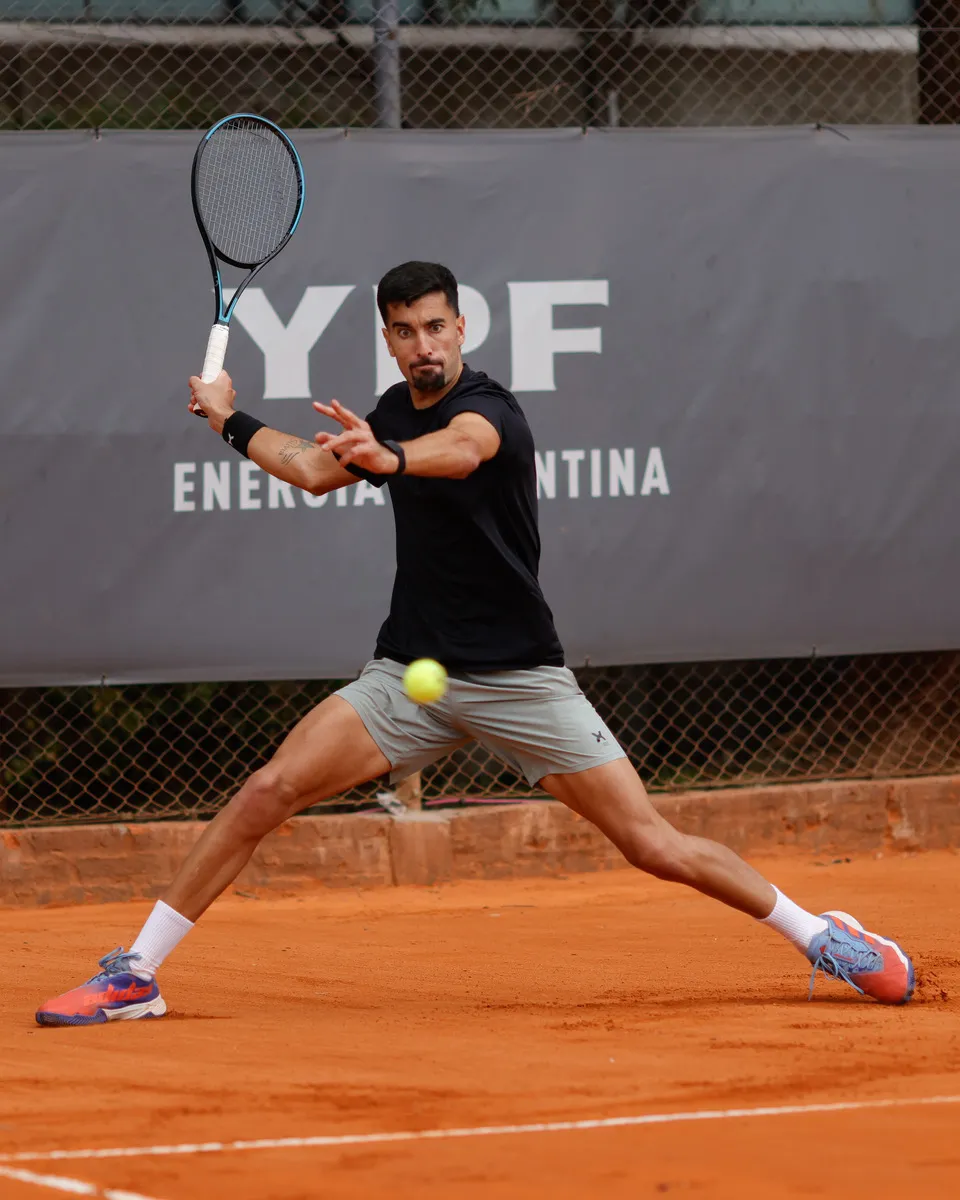
Argentine tennis player Tomás Farjat, currently ranked No. 493 in the world, has faced a challenging season largely due to a shoulder injury that has disrupted his ability to compete. After a series of matches marked by intermittent play and recovery, Farjat appears to have found some stability at the YPF Buenos Aires Challenger, where he expressed satisfaction with his performance, saying, "I felt good, and I think you could see that on the court as well."
Read More
The injury has made training difficult for Farjat, as he has had to oscillate between competing and recovering. He noted, "Honestly, it’s been a difficult few weeks and a difficult year because I haven’t been able to find the consistency I need to compete." This consistency is crucial in tennis, where players rely on accumulating matches to build confidence and improve their rankings.
Farjat's highest ranking was No. 363 earlier this season, but with his inability to compete regularly, maintaining that ranking has proven challenging. He acknowledged the reality of this struggle: "Maintaining your ranking without being able to compete consistently is very difficult." While injuries are a common hurdle in sports, they carry unique challenges in tennis due to the individual nature of the competition.
Shifting his focus away from the rankings, Farjat emphasized the importance of recovery. He stated, "Now I’m more focused on taking things calmly, letting the injury recover, and really committing to the recovery rather than thinking about the ranking." His time off the court has allowed him to engage in extensive training, a silver lining to his current situation.
Farjat and his team have adjusted their recovery strategy, prioritizing his physical readiness over the pressure to return to competition too quickly. He expressed hope, stating, "Luckily, I’m feeling better now. We’ve approached the recovery differently." Despite the challenges of this season, he believes the time away from the competitive scene has not been wasted.
Reflecting on the future, Farjat remarked, "I think it will ultimately be for the better. Those of us who play tennis and compete in sports are used to these things, so now it’s just a matter of getting back to competing and finding that competitive rhythm again." As he participates in the Buenos Aires tournament, he shares the court with players accustomed to the physical and mental demands of tennis on clay, a surface where Argentina has a strong legacy.
Farjat highlighted the unique intensity that Argentine players bring to the sport, built from a culture of competitiveness in training. He noted, "There’s so much competitiveness just to be able to play because we all work incredibly hard." This passion for the game, he believes, sets Argentine players apart on the international stage.
Outside of tennis, Farjat values spending time with family and friends, enjoying a balance that allows for relaxation. He enjoys activities that help him disconnect from the pressures of his professional career, stating that sometimes, simply unwinding with a show on Netflix can be a welcome break.
As Farjat looks ahead, he understands that his recovery from injury must come first before he can regain his competitive form. "First comes the shoulder. Then the matches. Then the rhythm. The ranking can follow," he concluded. With this approach, he aims to rebuild both his health and performance in the upcoming matches.