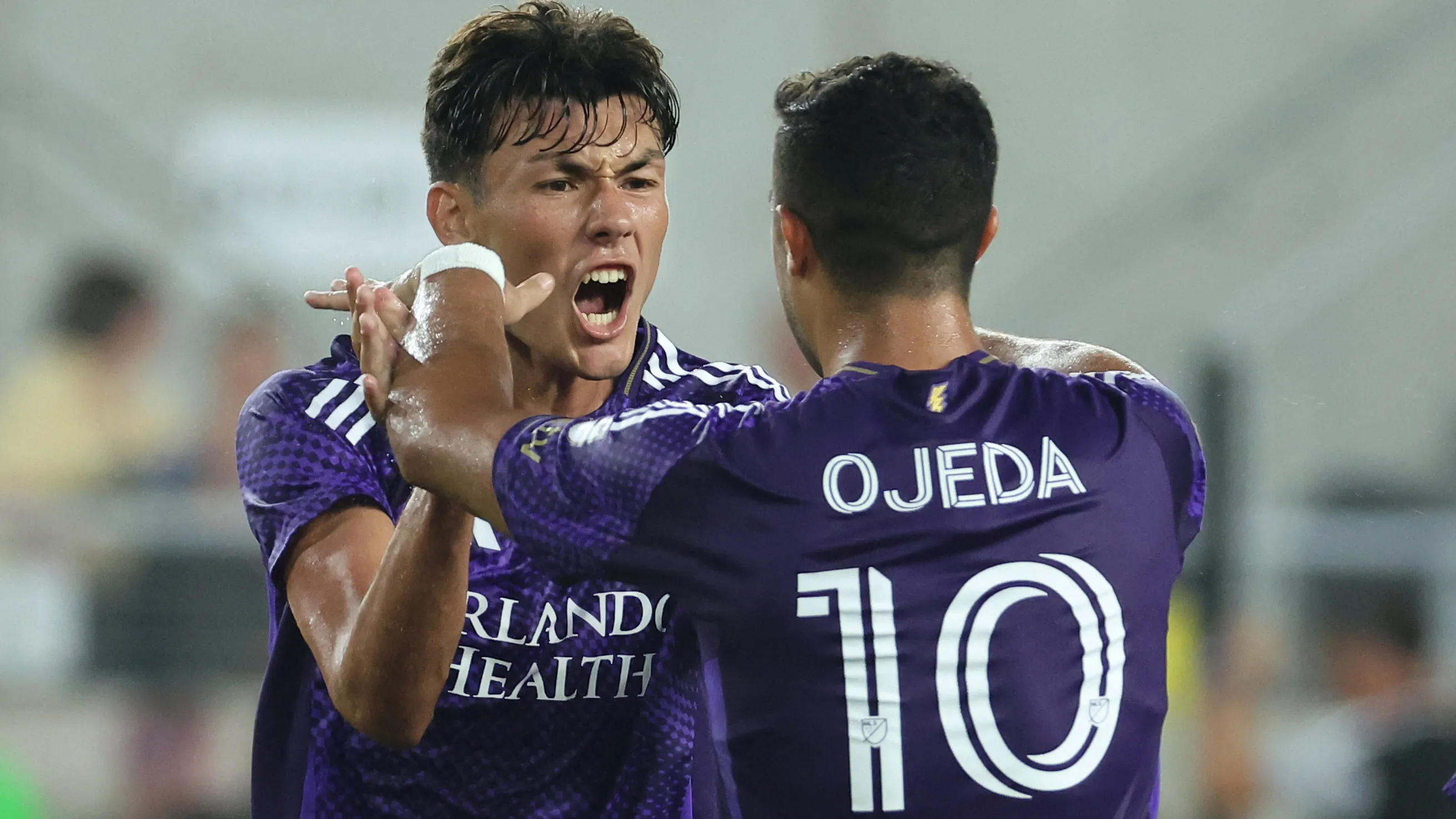
On September 17, 2026, Major League Soccer (MLS) announced its continued commitment to youth development through MLS NEXT, which introduced Quality of Play rankings for its U13 and U14 age groups about a year and a half ago. This evaluation method focuses on players' tactical capabilities rather than mere winning or scoring, emphasizing their defensive and offensive actions and off-the-ball movements. These rankings also serve as a reflection of the strategic approach U.S. Men's National Team (USMNT) head coach Mauricio Pochettino is taking with his roster ahead of four upcoming friendlies, following his first selection since the 2026 World Cup.
Read More
Pochettino's latest roster includes a mix of youth and experience, featuring 12 first-time call-ups with an average age of 22 years and nine months—over four years younger than the team that played in the World Cup. Of the players selected, 12 currently compete in MLS, with nine under the age of 23, and the average age of the ten newcomers is 19.71 years.
The overarching goal of MLS NEXT is to provide not only elite training and competition for young players but also pathways to higher levels, including college soccer. According to Luis Robles, MLS NEXT's general manager of sporting operations, expansion of the program has resulted in over 53,000 players participating across 2,743 teams and 310 clubs. Recently, 1,661 players who participated in MLS NEXT last season progressed to college soccer.
Robles stated, "What we want to do through quality of play is continue to put the priority on development in key ages but not in any way eliminate competition." He emphasized that talent exists at all levels and that the expansion into a second competitive tier allows for more exposure for players to MLS academies and college scouts.
Amid rising costs in youth sports, there's a growing recognition of the importance of focusing on personal growth over immediate results. Pochettino highlighted the need for young players to balance confidence with healthy expectations, stressing that too much focus on early success can jeopardize their long-term careers.
With a roster featuring young talents like Cavan Sullivan, Julián Hall, Adri Mehmeti, Justin Ellis, Neil Pierre, and Peyton Miller, Pochettino's approach is designed to foster their development by allowing them to learn from more seasoned players. He stated his commitment to "protect these guys" from the pressures of high expectations that may arise with early success.
Robles also pointed out that every player in MLS NEXT has access to a video profile that aids in individual development, enabling players to analyze their strengths and areas for improvement. He advocates for a supportive environment from parents, encouraging them to allow their children to take ownership of their sports journey.
Among his advice, Robles stressed the importance of making post-game discussions positive and fun, reflecting on how parents can play supportive but non-intrusive roles in their child’s athletic experience.
Pochettino's message resonates with a broader narrative in youth sports: the development process is ongoing and essential, and taking a long-term view can often yield the best results for young athletes.