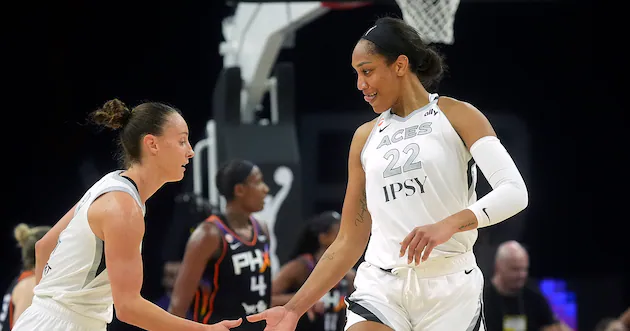
The Women’s National Basketball Association (WNBA) launched its 30th season in 2026 with plans for celebration, aiming to highlight the league's growth since its inception in 1996. The season was designed to commemorate its history, featuring the release of three films, a merchandise line focused on fans, and retro uniforms as part of its Nike Court Origins Edition.
Read More
As the WNBA playoffs begin this Sunday, however, the season has been overshadowed by numerous controversies and side stories. Topics ranging from debates on transgender athletes—such as Indiana Fever player Sophie Cunningham's comments, which sparked national discussions—to incidents of fans throwing sexually explicit objects onto the court have taken center stage, diverting attention from the games themselves.
Despite these distractions, the league has achieved significant growth in recent years, marked by increasing viewership, higher attendance, and a rise in merchandise sales. The 2026 WNBA All-Star Game became a major ratings success, drawing an average of 3.2 million viewers. Under the leadership of Commissioner Cathy Engelbert, who took office in 2019, the WNBA expanded its reach, negotiated new media and labor agreements, and worked towards having 18 teams by 2030.
The summer saw Cunningham become a focal point when she expressed her views on protecting women in sports, sparking both support and backlash. Support rallies for Cunningham attracted attention, but criticism also arose, especially concerning the implications for the transgender community.
In a controversial twist, former NBA player Enes Kanter Freedom announced his intention to enter the 2027 WNBA draft, positioning himself as a transgender athlete. His comments and actions further stirred the ongoing debates within the league. Following an incident during a Chicago Sky game, Kanter Freedom was ejected after confronting a player, generating additional media scrutiny.
Meanwhile, Engelbert's announcement in September that she would retire at the end of the season marked a significant transition for the league. Her tenure has been characterized by both growth and challenges, including issues with labor negotiations. The league is at a pivotal moment, facing a future that includes expanded teams and greater compensation for players, as one of its historic franchises, the Connecticut Sun, prepares to relocate to Houston.
Despite the season's controversies, the WNBA enters its playoffs with a chance to shift the narrative back to basketball. The postseason could serve as a platform to refocus on the competitive nature of the league and its athletes, all of whom are vying for success during this landmark year.