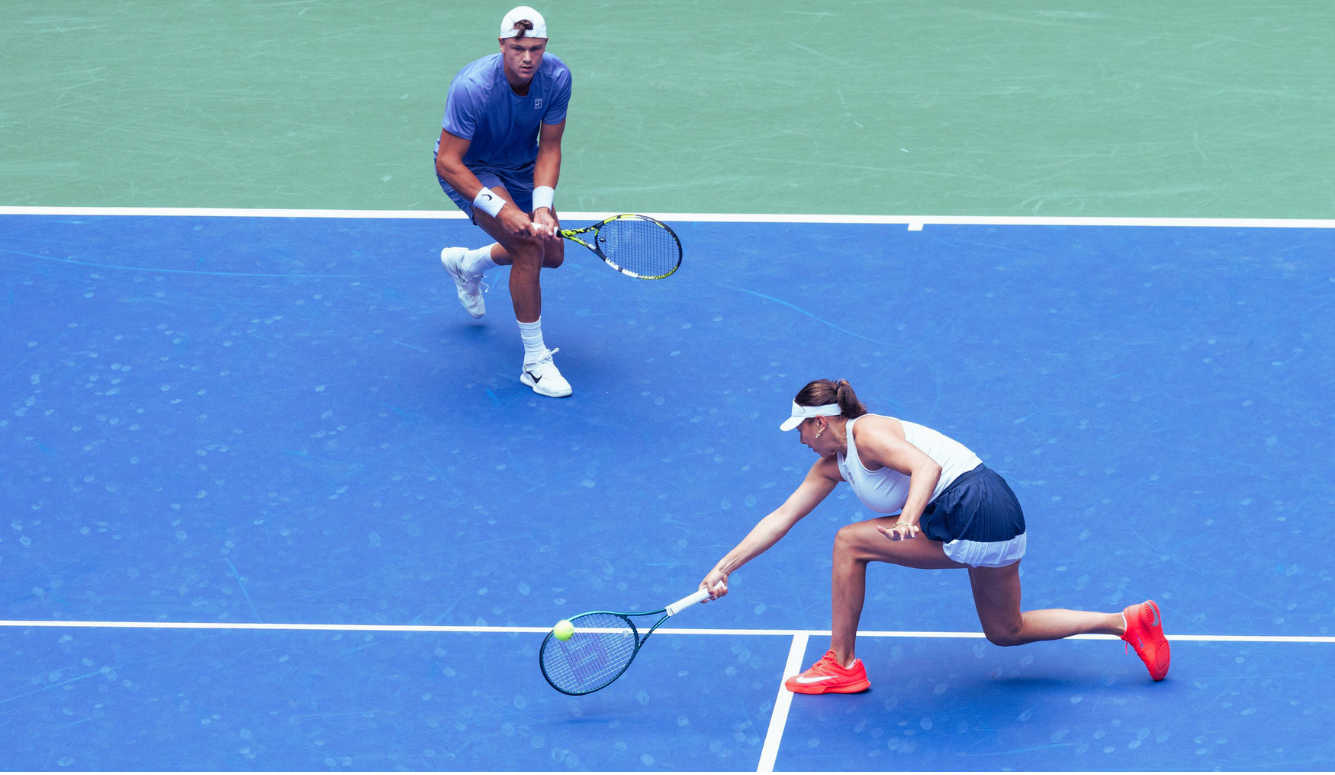
At the 2026 US Open, a notable disparity in prize money emerged between male and female champions when considering the time spent on court. Elena Rybakina and Alexander Zverev both received $5.5 million for their respective singles wins, but Rybakina spent significantly less time competing. She played for 12 hours and 4 minutes over seven rounds, while Zverev played for 23 hours and 11 minutes. This translates to earnings of approximately $456,000 per hour for Rybakina versus $237,000 for Zverev.
Read More
In a stark contrast to typical discussions of gender pay gaps, Zverev earned just 52 cents for every dollar Rybakina took home, meaning Rybakina earned $1.92 for every dollar Zverev earned. It’s important to note that this isn't indicative of illegal discrimination by tournament officials, nor is prize money akin to an hourly wage. Champions are awarded based on tournament performance, not the duration of matches.
The disparity is largely attributed to the structural differences in how men and women compete in Grand Slam tournaments. Women play best-of-three-set matches, while men play best-of-five, requiring women to win two sets to advance compared to three sets for men. Consequently, a women's champion must win 14 sets, whereas a men's champion must win 21 sets throughout the tournament.
This difference in match structure allows for additional disparities, as men can lose sets yet continue in the tournament, while women are eliminated after two losses. Rybakina played 17 sets and 159 games, while Zverev played 26 sets and 271 games, resulting in him spending 11 hours and 7 minutes longer on court, roughly 92 percent more time, for the same championship prize. This situation reflects a broader systemic pattern within the sport.