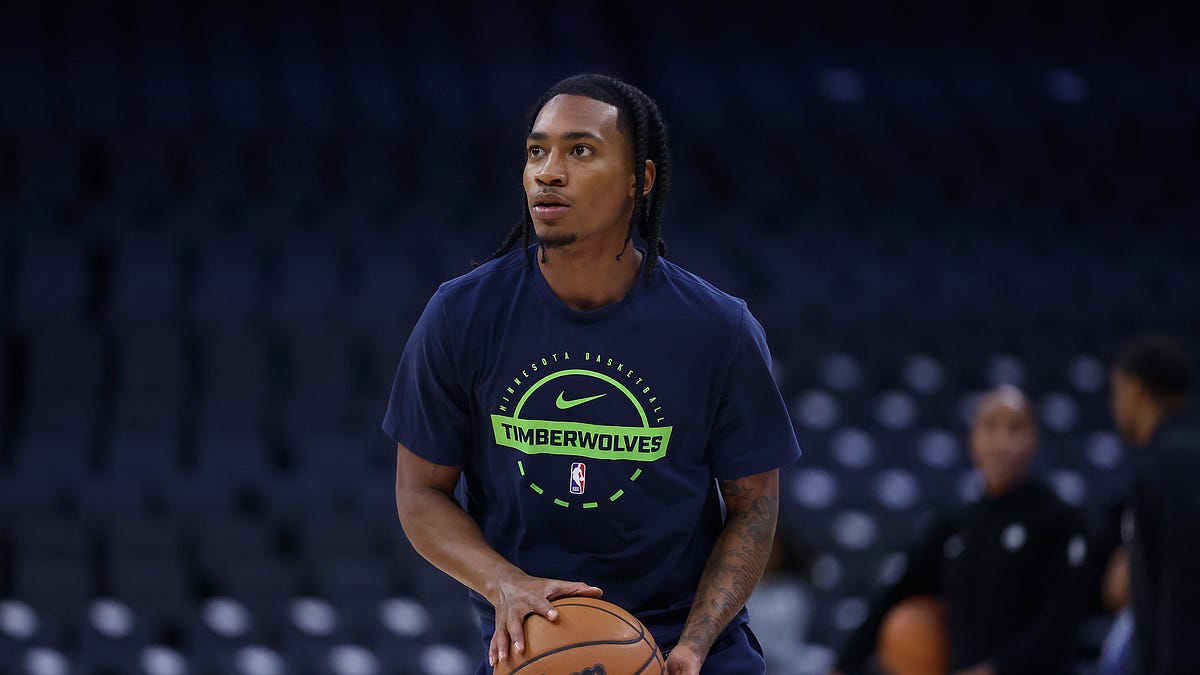
Rob Dillingham, a player previously hailed as a potential lottery pick in the 2024 NBA Draft, has sparked significant discussion regarding talent evaluation and player development after his early struggles in the league. Recently, a piece evaluating his potential questioned whether the NBA gave up on him too soon or if the early judgments were misguided.
Read More
The author had positioned Dillingham as a prime prospect, but noted that his evaluation may have been influenced by perceptions of a weak draft class. Many believed that some players selected in the lottery might not have held that status in stronger drafts, suggesting the rankings were inflated due to a lack of top-tier talent.
Following the publication, the article gained traction, drawing over 400,000 views in less than a day and prompting numerous responses from NBA insiders, including scouts and player development coaches. The discourse prompted reflections not only on Dillingham’s readiness for the NBA but also on broader issues regarding the transition from elite talent to successful professional player.
Critics of Dillingham often cite his size, defensive challenges, and shooting inconsistencies as major hurdles. However, during his time at Kentucky, he showcased impressive shooting capabilities, including a 44% three-point shooting rate, and demonstrated an ability to adapt to a structured system under coach John Calipari.
Feedback from various coaches highlighted a disconnect between a player's unique strengths and the expectations from NBA teams. Dillingham’s previous environments—like Donda Academy and Overtime Elite—were critiqued for lacking the structure that could adequately prepare him for the demands of professional basketball. Observations from former scouts noted that those programs often focused on showcase moments rather than developing the discipline necessary for contributing to winning teams.
One coach remarked on the need for teams to create environments that cater to a player's unique talents rather than forcing them into predefined roles. For instance, Dillingham might thrive in a setting that allows creative expression, despite not fitting traditional archetypes like a classic point guard.
The Minnesota Timberwolves, who invested significant draft capital in acquiring Dillingham, face questions about whether they had a comprehensive plan for his development. Coaches and executives must align on the expectations and developmental paths for players, as inconsistent visions can thwart a young player’s growth.
Some experts believe that while Dillingham must improve aspects like shooting efficiency and defensive capability, organizations also bear responsibility for integrating players effectively within their systems. The complexity of Dillingham's situation prompts a broader examination of how NBA teams evaluate young talent and structure their developmental programs.
The overarching question remains: How much of a player’s success or failure is on them versus the organization that drafts them? This case serves as a reminder that talent recognition and successful player development are distinct processes, and the challenges experienced by aspiring talents like Dillingham highlight the importance of supportive environments in nurturing their potential.