The Southeastern Conference (SEC) has accused Louisiana State University (LSU) of violating its professionalism rules by recruiting athletes with prior professional experience, leading to a legal battle in the Northern District Court of Alabama. LSU's athletic department may face consequences if the SEC's claims, made in a Tuesday filing, are upheld.
Read More
Louisiana Governor Jeff Landry called the SEC's threat to expel LSU "ridiculous" during discussions of this escalating conflict. The legal fight began when a Louisiana district court judge ruled that former professional athletes Dae’Quan Wright and Zxavian Harris were eligible to play this season, prompting the SEC and other conferences to implement a rule that bars such athletes from returning to collegiate sports.
The case dates back before the college football season when multiple athletes sued the NCAA for additional eligibility based on changes in guidelines regarding the number of seasons they can play. In a recent development, the SEC filed a lawsuit against LSU officials, including head coach Lane Kiffin and president Wade Rousse, asserting the University violated league rules and was attempting to manipulate the legal system to bypass enforcement.
Following LSU's decision to exclude Wright and Harris from its roster, the SEC maintained that the lawsuit was still relevant, indicating that conflicts over rule enforcement and eligibility are far from resolved. At the same time, Governor Landry criticized the SEC's legal tactics, with the state's Attorney General Liz Murrill labeling the SEC's lawsuit as "garbage," asserting LSU did not break any rules.
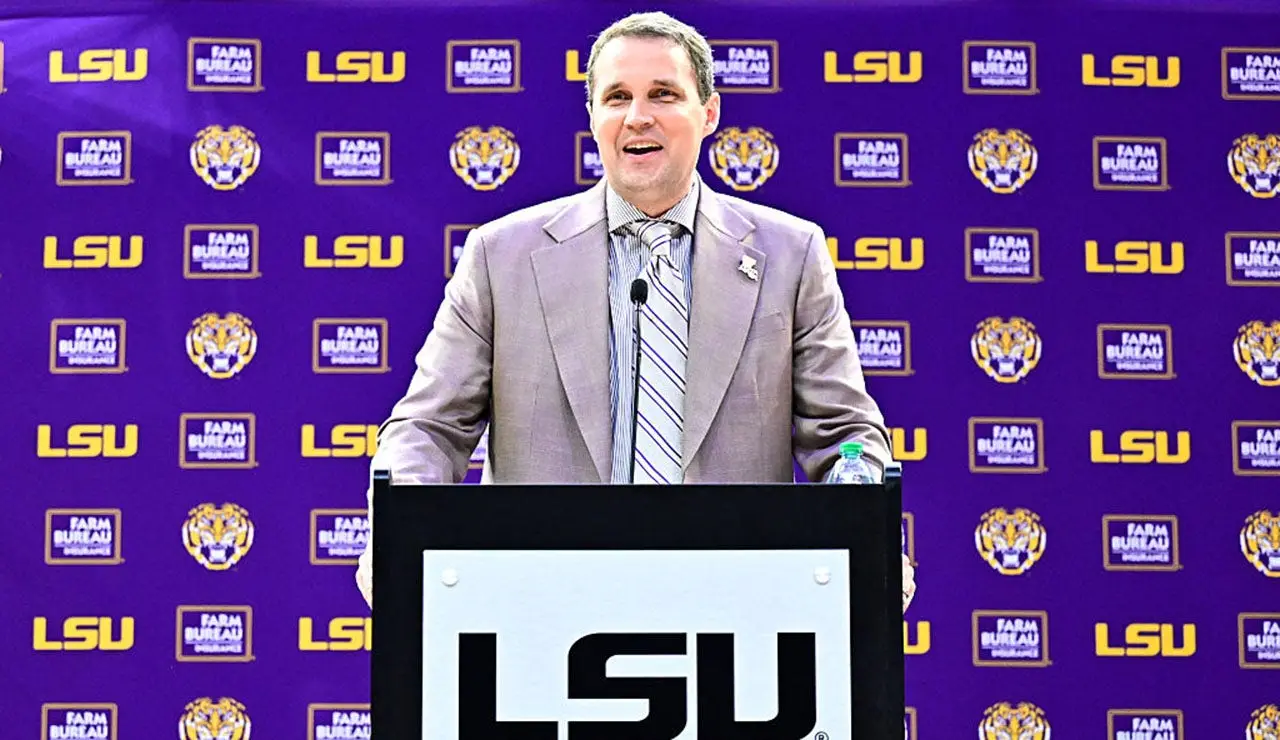
Meanwhile, attention has also turned to LSU basketball under coach Will Wade, who has focused on recruiting players with professional backgrounds despite the looming controversy. Recent actions include allowing former NBA player RJ Luis Jr. to practice with the team, further complicating the situation. Wade stated that LSU would adhere to SEC protocols regarding player eligibility, although the final roster is not due until shortly before the regular season begins.
As the legal proceedings continue, the involvement of both the SEC and LSU reflects the ongoing tensions in college athletics regarding player eligibility and the enforcement of conference rules.