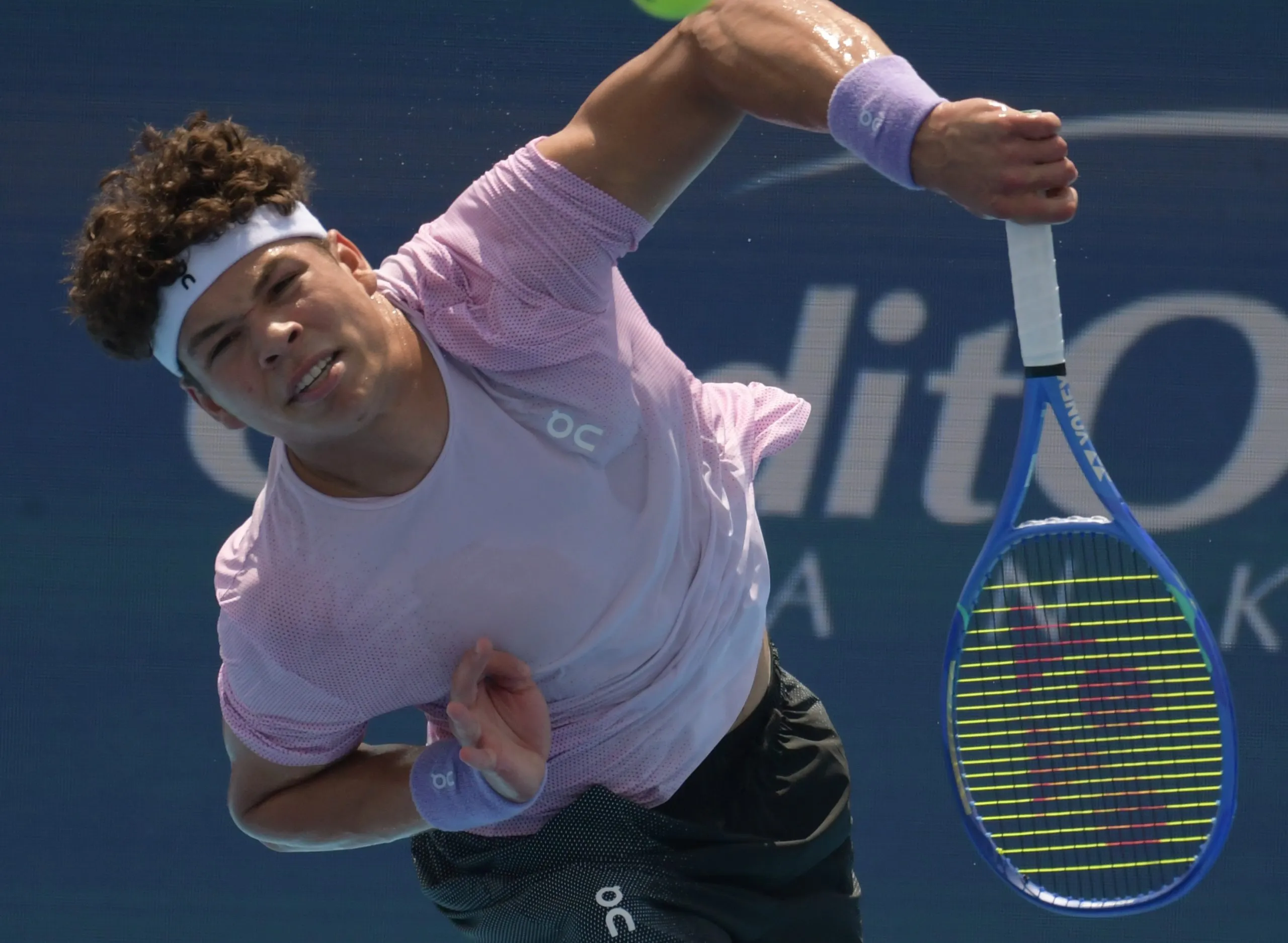
As the ATP season approaches its end, the final weeks present unique pressures. By October, some players aim to protect strong positions while others strive for crucial ATP Finals spots, all while managing the fatigue from a lengthy season. The stretch from Shanghai to Paris, particularly the Shanghai and Paris Masters 1000 events, becomes critical, with several indoor tournaments occurring in between before the finale in Turin.
Read More
Shanghai serves as a pivotal juncture late in the season where deep runs can significantly affect rankings. As a Masters 1000 event, it offers substantial ranking points compared to smaller tournaments, allowing players near the ATP Finals cutoff to quickly improve their standings. The tournament also reveals variations among players in similar form; one may be focused on qualifying for Turin while another can afford to conserve energy.
Current FanDuel tennis odds reflect the shifting expectations of players as they move toward the season’s conclusion. Factors such as recent performance, injury updates, and changes in the ATP Race influence match pricing. It’s essential to note that late-season tennis is not merely an extension of summer form; the condensed schedule and concentrated points leave little room for recovery from early exits.
The ATP 500 events in Basel and Vienna between Shanghai and Paris contribute significantly to the qualification race, offering enough points to alter standings. These events also provide insights into how players adapt to indoor conditions, which become the norm after the Asian hard-court swing. The indoor environment, free from external elements like wind, favors strong servers and aggressive players, while the competition level also plays a role in interpreting results.
Paris Masters, the final Masters 1000 event of the season, brings substantial opportunities to impact qualification standings. Here, players are evaluated based on the points available rather than simply their form. The tournament draw is equally crucial; a player with impressive indoor results may face a tougher path, impacting their prospects.
As players navigate the intense qualification pressure, accumulated fatigue, and the difficulty of the draw in Paris, their recent performances can yield differing expectations. The ATP Finals format further complicates matters, with each player scheduled for three round-robin matches. This structure means that early defeats do not eliminate players, nor do early wins guarantee progression. Factors like game and set results gain importance, especially in tight group scenarios where multiple players may be level on wins.
Conditions in Turin will reflect the culmination of changing dynamics from Shanghai to Paris. By this point, the season's top players will have adapted and earned their places in a format distinct from other ATP events. For bettors, understanding the context surrounding late-season matchups is crucial, as the conditions and motivations behind each player's performance are pivotal for making informed assessments.