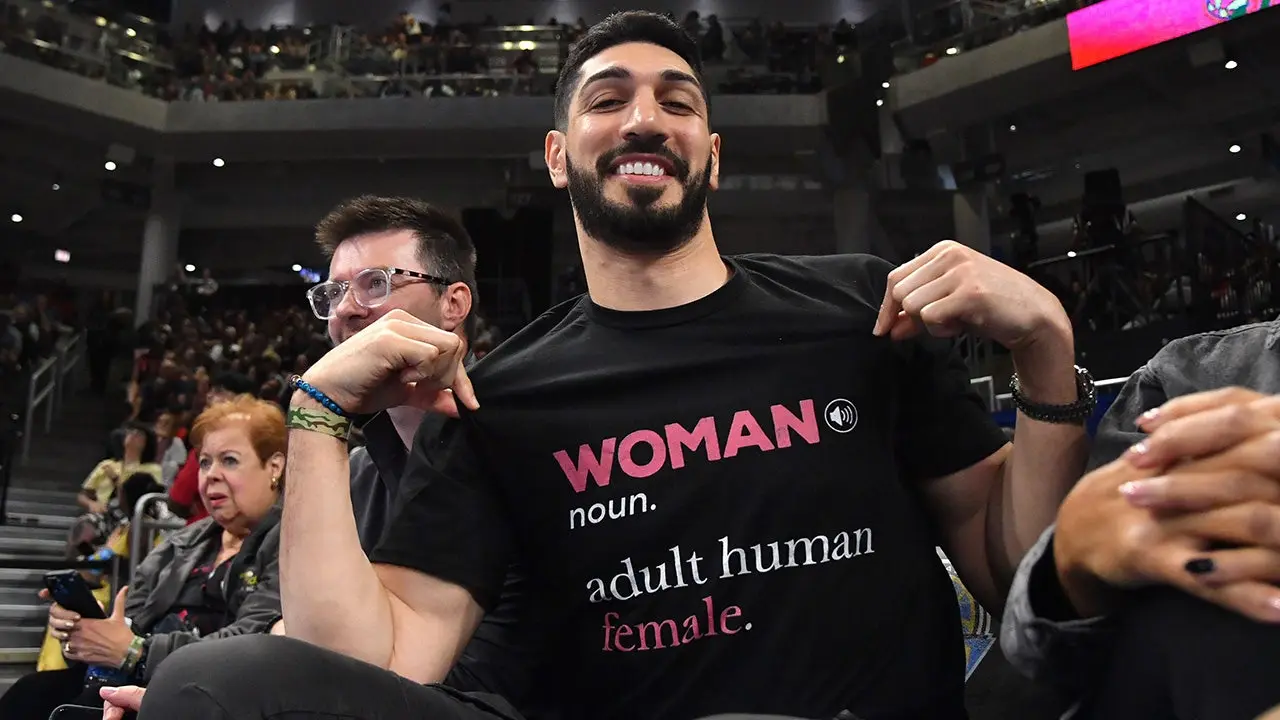
Enes Kanter Freedom, a former NBA player and human rights activist, is vocal about the importance of defending women's sports and the broader principles of freedom of speech. In a recent statement, he reflected on his basketball career and the lessons he learned about courage and advocacy.
Read More
Having played 11 seasons in the NBA, Kanter emphasized that the journey to success involves countless unnoticed moments of hard work. He believes that courage develops not only in high-profile situations but also through everyday decisions to confront fear.
Kanter's commitment to speaking out began when he immigrated to the United States from Turkey, where he faced severe repercussions for expressing opinions. His experiences highlighted the contrast between the freedoms in the U.S. and the authoritarian climate he left behind. Despite facing threats from the Turkish government, including a bounty on his head for his activism, he remains undeterred.
He has broadened his focus to include the treatment of various oppressed groups, notably criticizing the Chinese government's actions against Uyghurs and Tibetans. Kanter adopted the last name 'Freedom' to symbolize his dedication to human rights and the value of personal liberty.
Kanter is now addressing the contentious topic of women's sports, asserting that biological differences between men and women must be acknowledged in competitive athletics. He argues that this recognition does not negate the dignity of any individual involved but is crucial for protecting fair competition.
Amid concerns over repercussions for speaking out, he insists on the necessity of open discourse on these challenging issues. He advocates for an environment where female athletes and their supporters can discuss potential changes without fear of losing opportunities or reputations.
Kanter calls for courage to engage in these essential conversations and believes that significant change often starts from simple acts of speaking out. Whether in sports or society at large, he emphasizes that the practice of freedom involves voicing opinions even when it is unpopular or met with criticism.