The WNBA is grappling with defining eligibility standards for players, particularly regarding transgender athletes, as highlighted by recent comments from Commissioner Cathy Engelbert. During a league meeting, Engelbert stated the league is engaged in discussions about the eligibility of transgender players, acknowledging the need for clarity about who qualifies to play in the Women’s National Basketball Association.
Read More
The current collective bargaining agreement stipulates that only players who are women are eligible to compete in the league, but it does not explicitly define what constitutes a woman. This omission has raised questions and may lead to legal complications as the conversation shifts from hypothetical scenarios to concrete eligibility issues.
Concerns have been amplified by public statements from former NBA players Enes Kanter Freedom and Royce White, who have expressed interest in entering the WNBA Draft, prompting discussions around biological and gender identity standards. Meanwhile, French transgender player Julie Tétart is already participating in women’s professional basketball overseas, further complicating the debate.
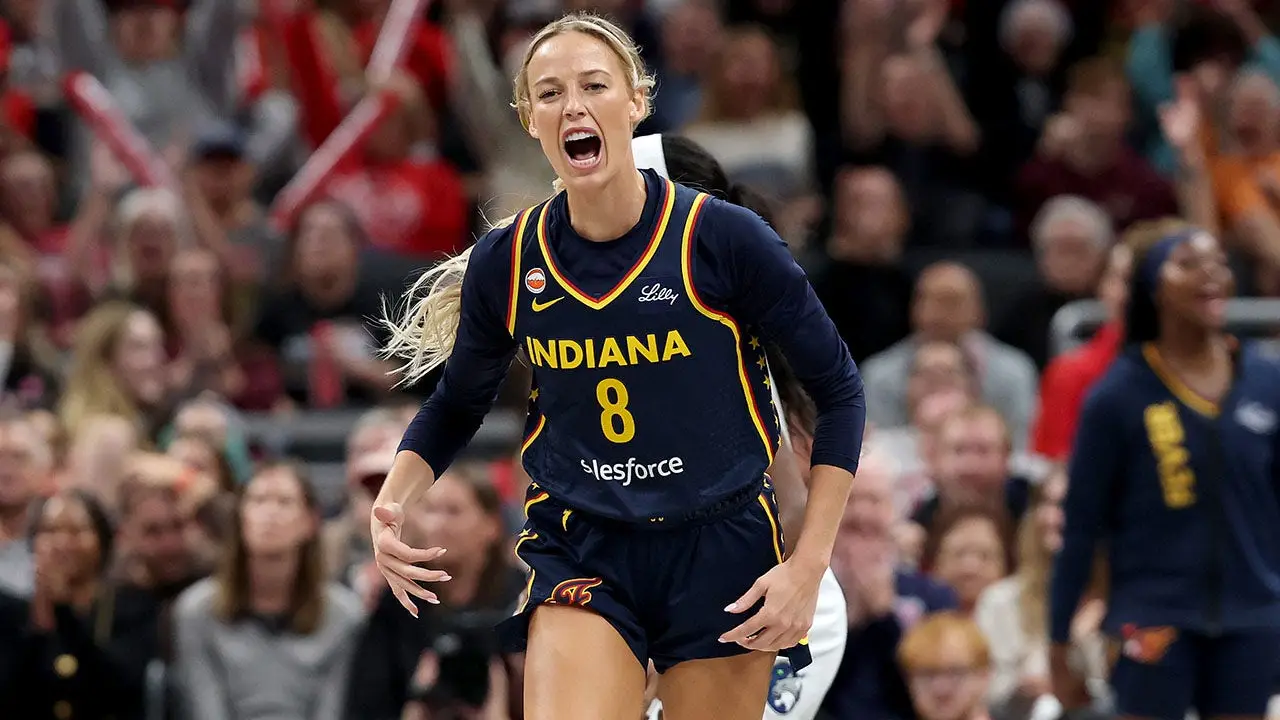
As these discussions unfold, incidents on the court continue to provoke scrutiny. A recent incident during a game between the Chicago Sky and Indiana Fever involved a controversial foul committed by Sky guard DiJonai Carrington against Fever player Sophie Cunningham. Although the foul led to Carrington's ejection, comments made by Fever head coach Stephanie White about the incident sparked additional debate, demonstrating the challenges the league faces in maintaining focus on the game amid broader political and social conversations.
Throughout the season, the league has embraced various political and cultural causes, which has drawn attention away from basketball itself. This has created a perception that some outside forces are trying to influence the WNBA, although many believe these issues have been welcomed by the league itself.
Players like Cunningham have expressed their viewpoints regarding fairness in women's sports, advocating for protections for female athletes amidst the ongoing debates around inclusion and competition. With rising viewership and interest in women's basketball, driven in part by players like Caitlin Clark, it is clear that the league has both an opportunity and a challenge ahead.
As stakeholders call for a clear and objective definition of eligibility that reflects the values of fairness and protection for women in sports, it remains to be seen how the WNBA will navigate these complex issues moving forward.