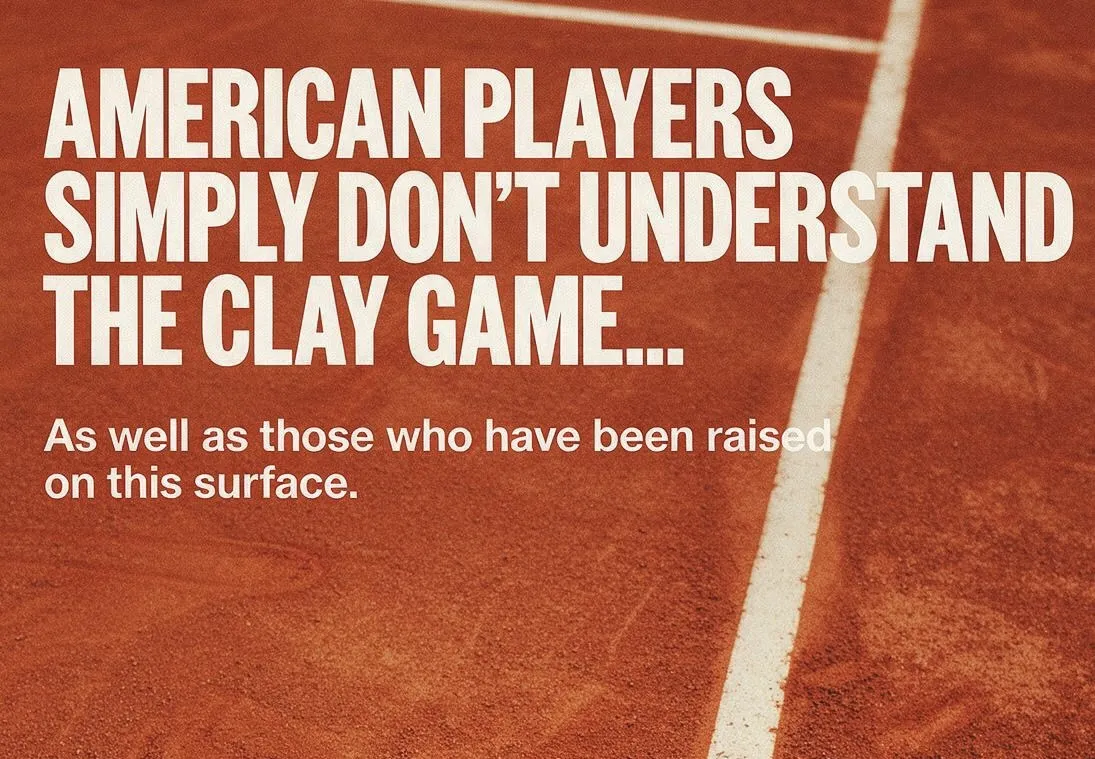
In November 1966, the United States Davis Cup team faced a surprising defeat against Brazil, losing the deciding match 3-2 in Porto Alegre, despite having three players ranked in the world’s top 10. The U.S. team’s coach, Pancho Gonzalez, attributed the loss to a fundamental misunderstanding of clay court dynamics, contrasting their experience with that of Brazilian players raised on the surface.
Read More
Gonzalez reflected on the defeat in an article published in the January 1967 edition of World Tennis, stating that while the U.S. team trained diligently, their familiarity with grass courts placed them at a disadvantage on clay. He praised team captain George MacCall, asserting that the players felt they could have performed better if given another chance.
The match came down to a tense fifth set, where Dennis Ralston, who had played well throughout, succumbed to fatigue in the final moments. Gonzalez noted that Ralston exhibited strong play but struggled as the match progressed, particularly in the heat and under pressure from a highly supportive Brazilian crowd.
Cliff Richey, the designated best clay court player, encountered difficulties despite his prior success in South America. He faced nerves that hindered his concentration during critical moments of the match. Although Richey has a record of cramping in big matches, Gonzalez argued that his issues stemmed more from pressure rather than fatigue.
The editorial team at World Tennis reflected on the public and press’s response to the defeat, emphasizing that the American players were not at fault and that criticisms of MacCall were unfounded. The editorial pointed to a successful year for American tennis and highlighted the need for better preparation for future ties, including more acclimatization to clay surfaces.
The U.S. team's defeat underscored the importance of conditioning and understanding the nuances of different playing surfaces, reaffirming that the lack of experience on clay contributed to their loss.