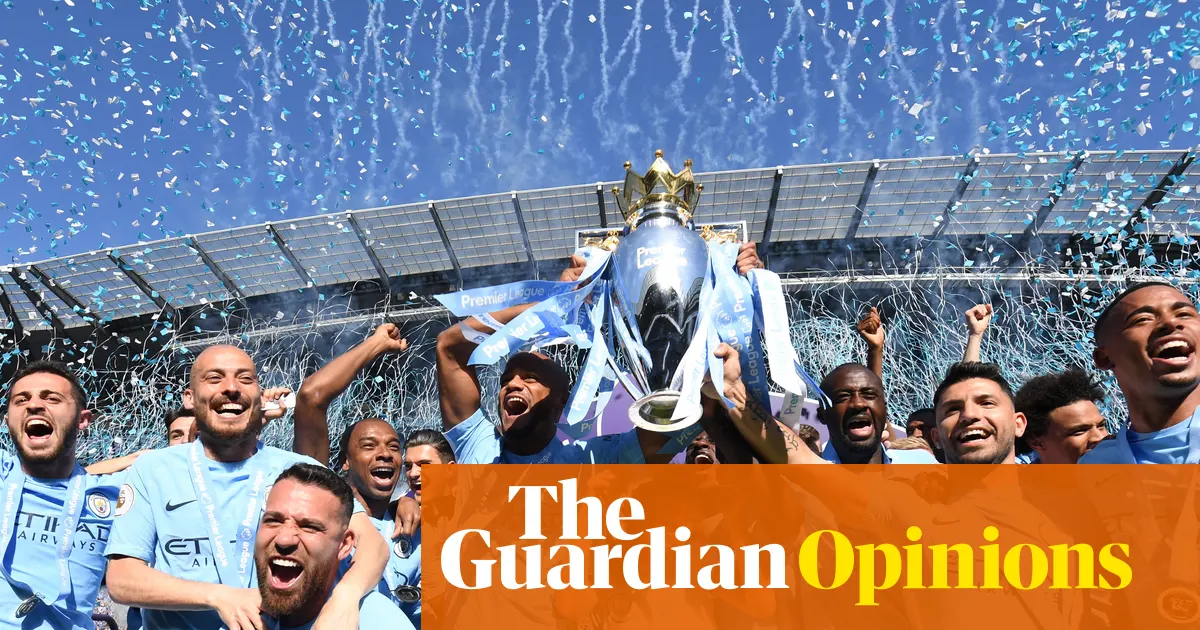
Manchester City’s chairman, Khaldoon al-Mubarak, remains confident despite the club facing over 100 charges from the Premier League concerning financial misconduct. Al-Mubarak suggests that the recent developments are merely a precursor to a eventual revelation that will overturn the initial findings of guilt. This stance hints at a strategy to deflect accountability while anticipating a chance to present evidence that could exonerate the club.
Read More
The unprecedented nature of these charges introduces considerable confusion about the forthcoming sanctions. Expectations lean towards immediate penalties, possibly including fines, points deductions, and transfer bans. However, many speculate these consequences could be designed to appear punitive without significantly impacting City. While a combination of sanctions might satisfy some, the true implications of the punishment remain uncertain.
Reports have emerged suggesting potential political influence from the United Arab Emirates government, aimed at protecting its investments in light of the ongoing investigations. This raises questions about the balance of power between economic interests and sporting integrity. Conversely, there are fears that the Premier League may pursue severe sanctions to avert lengthy legal disputes that could destabilize the league.
Al-Mubarak has expressed strong feelings about the perceived injustice faced by the club, insisting that City is being unfairly targeted. His comments suggest a reluctance to acknowledge any wrongdoing while implying that crucial evidence may yet emerge to support City's position.
Fans on both sides of the debate seem entrenched, complicating discussions about the fairness of the existing rules. The controversy exposes a broader issue in football regarding the influence of wealth and state-owned clubs, which some argue undermines competitive integrity. The debate prompts a reevaluation of regulations governing club ownership and investment.
The impact of City’s situation extends beyond the club itself, potentially affecting the entire football landscape. Other leagues look on with concern as significant financial resources generated by clubs like City and Chelsea shift the competitive balance across European football.
As this situation unfolds, the possibility of the Premier League enforcing major penalties raises profound implications. Should these charges result in City’s ownership being compelled to sell, it would resonate beyond football, possibly affecting perceptions of property rights in the UK.
For now, uncertainty looms over City’s next steps, as al-Mubarak's defiant stance faces unprecedented scrutiny. The ongoing saga embodies the complexities of modern football, where financial, legal, and ethical landscapes continually intersect.