P.J. Simmons, an environmental consultant and tennis enthusiast, expressed optimism about the $800 million renovation of Arthur Ashe Stadium, particularly the addition of over 2,000 premium courtside seats, hoping this would slightly lower ticket prices. Simmons, who runs a website that advises fans on securing affordable tickets, has monitored price surges attributed to the resale market, which remains largely unregulated for the U.S. Open compared to other Grand Slam events.
Read More
The average price for inexpensive seats at Ashe has increased by over 200 percent, with courtside seats for the men’s finals listed at $29,000 as of August, despite rumors that top players Jannik Sinner and Carlos Alcaraz may withdraw due to injuries. Simmons described the intense competition for tickets, stating, “Ten minutes later, they were gone. And then ten minutes after that, they were fucking on resale.”
As of July, just weeks before Fan Week, dedicated fans without corporate backing are struggling to find anticipated deals. The renovation, set to be completed next year, removes over half of the loge seats, historically an affordable option for spectators who wanted to experience the tournament atmosphere without paying high prices.
Kirsten Corio, chief commercial officer of the U.S. Tennis Association (USTA), noted that the renovation primarily shifts seats from upper levels to lower ones, catering to premium experiences. The new layout promotes upscale dining options near courtside seating, including a high-end restaurant referred to as the Blue Room.
The USTA's efforts mirror trends in the hospitality industry, focusing on luxury offerings. The Open has introduced various expensive bundle options, with some packages reaching up to $85,000, offering exclusive access to events and experiences. New luxury lounges, called Bunker Suites, are expected to debut next year, potentially costing $120,000 per person for access during the tournament.
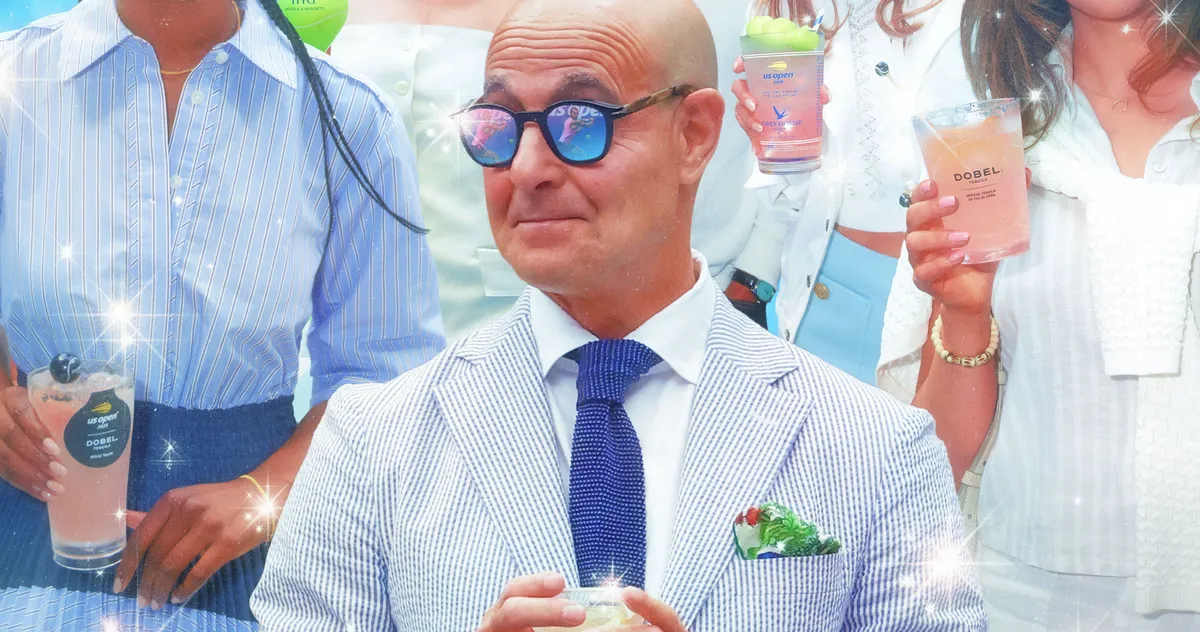
Competition for affluent attendees has intensified as the Open vies with prestigious events like Wimbledon and the Henley Royal Regatta. Corio noted that many patrons attending the Open are not necessarily tennis fans but are drawn by the social experience. Travel advisor Renee Falack indicated that her clients prioritize being seen courtside, stating their willingness to pay significant fees for prime access.
Historically, the U.S. Open has evolved from an exclusive event to a more accessible tournament. Adrian Benepe, former New York City Parks commissioner, emphasized the shift as a pivotal moment for the sport, transforming it into a more inclusive experience on public courts. The Open, now dubbed “The People’s Slam,” maintained strong ties to its Queens location through a unique lease that requires the USTA to share revenues with the city.
Despite recent trends of gentrification within the tournament, programs like "Fan Week" have been introduced to offer affordable access, allowing fans to enjoy the tournament during less crowded times. Tickets for grounds access generally range from $65 to $150, providing opportunities for fans to experience the event without exorbitant costs.
As Simmons continues to monitor ticket prices, he reflects a growing frustration among long-time fans who feel overlooked. He noticed recent auctions for verified tickets marked with premium add-ons like gourmet dining. “Die-hard fans don’t care about getting fed amazing food and drinks and showing off. We just want to sit and watch tennis.”
Overall, the renovations and increasing profits reflect a larger trend towards catering to wealthier patrons, while raising concerns about the tournament's commitment to remaining accessible for everyday fans.