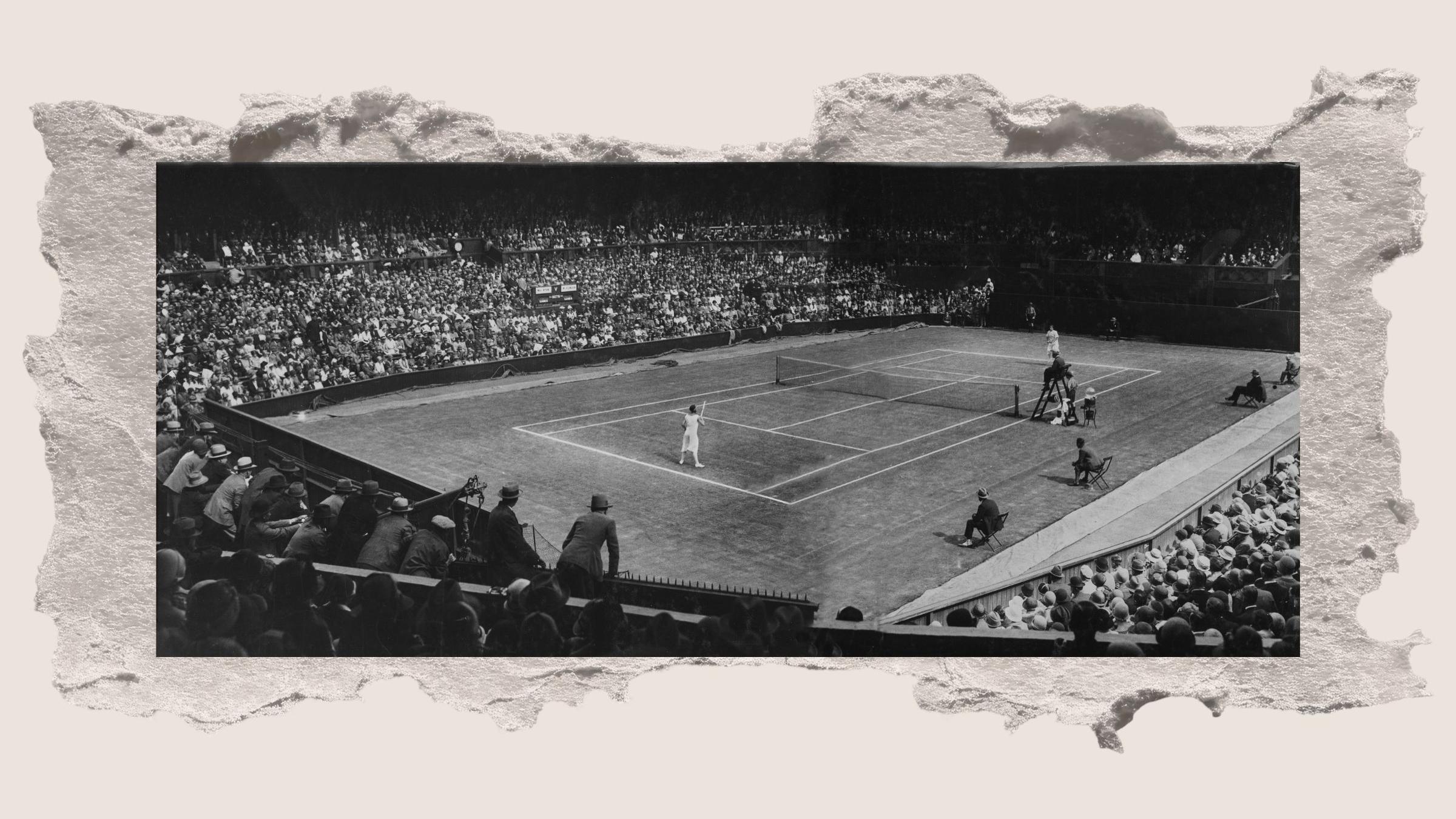
For tennis players and fans, Wimbledon represents a significant pilgrimage. Lead Groundsperson Will Brierley explained the meticulous care given to the grass courts, showcasing techniques such as mowing, trimming, and rolling to maintain their world-renowned quality. In the clubhouse, adorned with photos of past groundskeepers and a mix of novels and dictionaries, the camaraderie among the groundskeepers was palpable. They spoke of the courts as if they were family members—some easy to care for, while others were seen as temperamental.
Read More
This familial dynamic extends to the stands when players take the court. Wimbledon uniquely attracts not only individual fans but also families, both biological and chosen. Unlike other major sports events, Wimbledon offers fans the opportunity to queue for same-day show-court seats at face value, with entry starting at £33. This accessibility cultivates an environment where families can come together to celebrate the sport.
In the previous year, even as a media pass holder, I chose to experience the queue firsthand. Many groups participated in games while waiting, engaging in various communal activities, and some even enjoyed champagne as early as 9 a.m. The diverse crowd spoke multiple languages, including English, German, French, and Japanese, all sharing in the excitement of the event.
I noticed multi-generational gatherings, including groups of women in hand-embroidered hats who had attended for decades, forming lasting traditions of queuing, picnicking on Henman Hill, and treating the tournament as an annual retreat.