The Phoenix Suns exceeded expectations in the 2025-26 season, winning 45 games and making the playoffs despite predictions that they would miss out. The team's performance marked a significant improvement, transitioning from having the NBA's fourth-worst defensive rating in the previous season to a top-ten defensive unit. The Suns secured the eighth seed in the Western Conference after defeating the Golden State Warriors but were eliminated by the Oklahoma City Thunder in the first round. This season was pivotal for the franchise, which has been undergoing a quick rebuilding phase following the departures of Chris Paul, Kevin Durant, and Bradley Beal.
Read More
While boasting a young and impactful core, the Suns' group is often overlooked compared to others in the league. Budding talents like Cooper Flagg and Kon Knueppel garner more attention, but the Suns' depth and two-way play from players such as Rasheer Fleming, Oso Ighodaro, Khaman Maluach, and Ryan Dunn offer essential support to their marquee player, Devin Booker. Their playing style complements each other, focusing on energy and versatility rather than significant on-ball involvement.
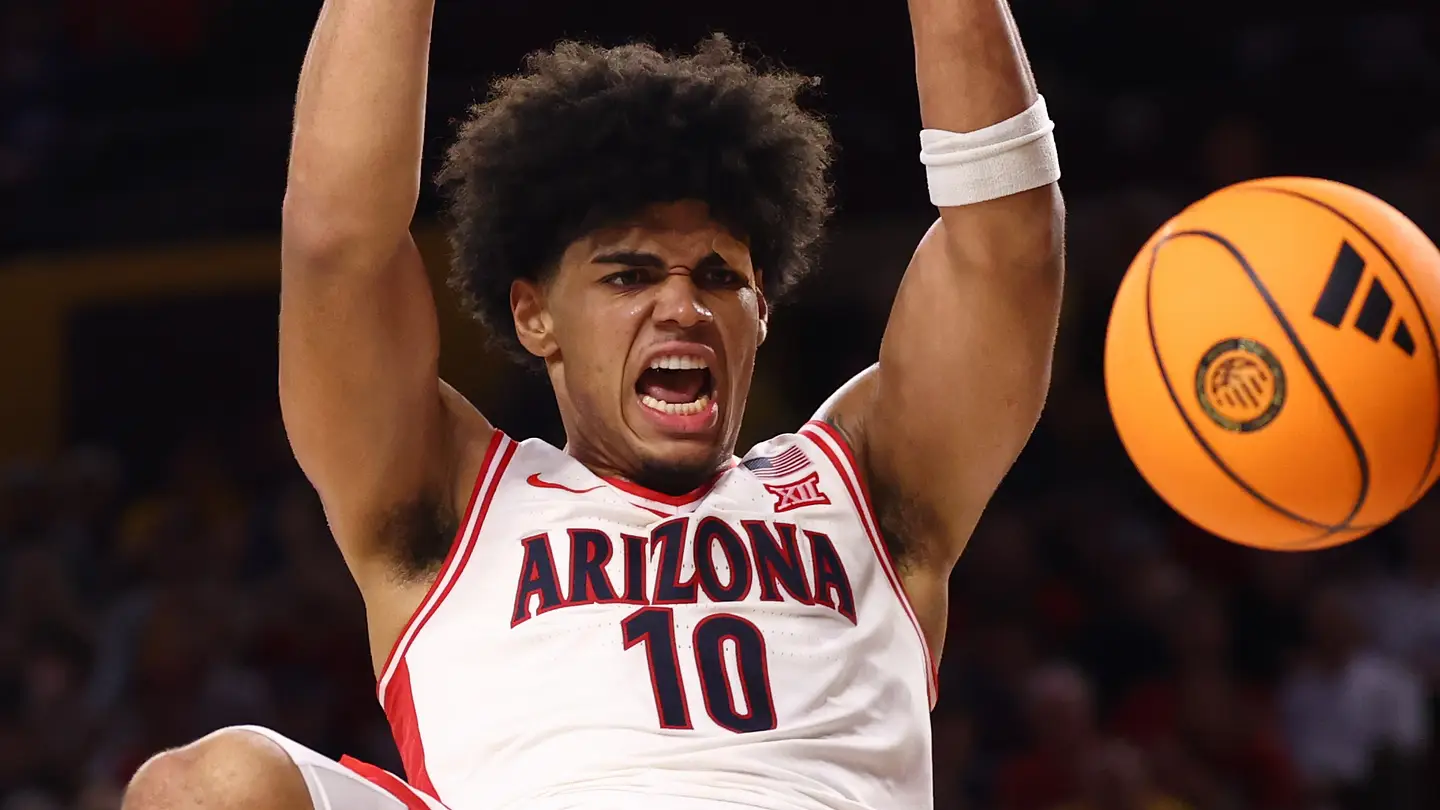
To further strengthen this young core, the Suns traded for the No. 30 overall pick in the June NBA Draft and selected Koa Peat, a 19-year-old forward from Arizona. Peat had a strong freshman season at the University of Arizona, adding a much-needed physical presence to the Suns' roster. Although he did not showcase three-point shooting prowess in college or during the Summer League, his 6-foot-7, 245-pound frame and skill set provide a different offensive dimension, particularly as a downhill slasher.
Peat's offensive value is amplified by his ability to create opportunities close to the basket, addressing the Suns' struggles in rim scoring and free throw rates, where they ranked poorly the previous season. He is also expected to enhance their rebounding abilities; the Suns finished seventh in offensive rebounding rate last season, and Peat recorded a 9.1% offensive rebounding rate in college.
Defensively, Peat brings athleticism and a wingspan of 6-foot-11.25, aligning well with the defensive capabilities of his new teammates. As he transitions to the NBA, Peat has the potential to become a valuable defender, similar to some of the standouts on the Suns' roster.
While Peat may not be the sole catalyst to elevate the Suns to title contention, he represents a meaningful addition to their foundation, enhancing their strengths in rebounding and defense and addressing weaknesses in scoring. If he develops his shooting, Peat could evolve into a significant starting forward for the team.