European football associations are expressing significant concerns over the impact of the new three-week international break and will propose to UEFA a return to the former scheduling. This extended break requires European countries to manage four Nations League games that were previously organized within an 11-day period. Many officials have voiced that it is detrimental to player workload, increases injury risks, and poses financial challenges, with one FA president describing it as “a disaster.”
Read More
During a recent meeting of European FAs in Berlin, opposition to the new schedule was nearly unanimous, prompting heated discussions. Debbie Hewitt, chair of the Football Association, and chief executive Mark Bullingham were among those emphasizing the drawbacks of a calendar change endorsed by FIFA in 2023. Most participants have articulated a strong preference for the previous arrangement of five two-week breaks.
The new break consolidates the September and October windows into a longer period, aimed at enhancing player welfare and minimizing travel. However, many FAs are dissatisfied with how this has resulted in a physically demanding series of Nations League matches, which typically involve more intensity than friendlies with limited substitutions.
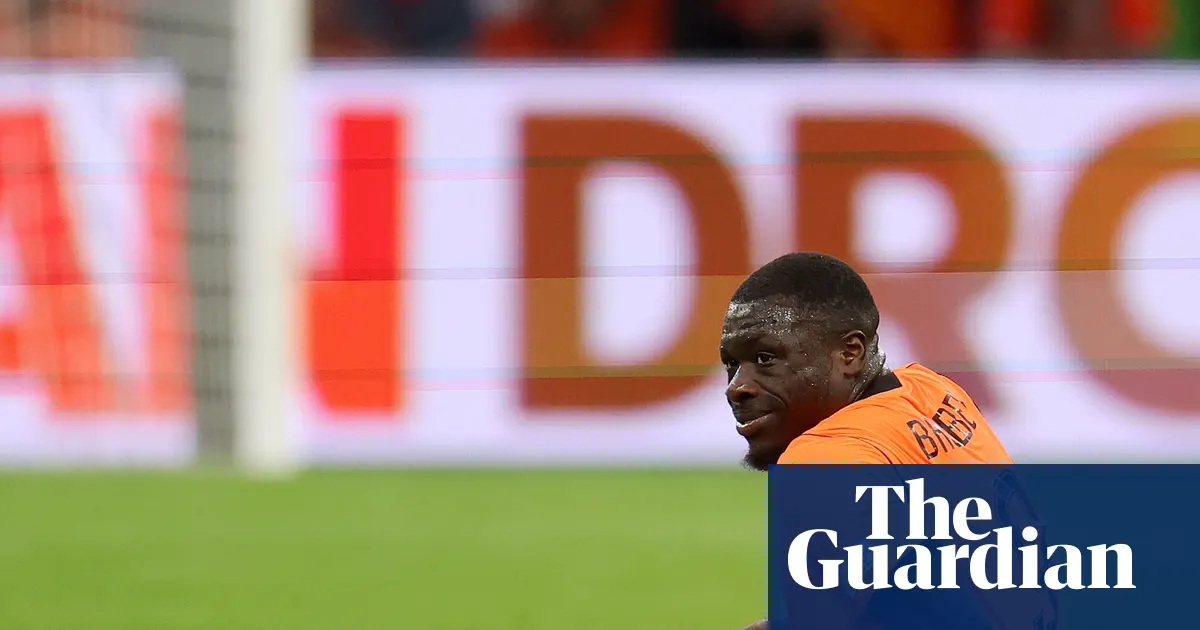
Notable players such as Kylian Mbappé, Alex Scott, Cody Gakpo, Alexander Isak, and Brian Brobbey have reported injuries, heightening concerns among UEFA members, particularly in smaller nations where reduced player pools limit rest opportunities. There is also worry that larger, resource-rich countries gain a competitive edge by playing numerous Nations League fixtures consecutively, especially as Euro 2028 seeding will be affected by results from this competition.
Additionally, some federations have noted commercial drawbacks of the extended break, citing difficulties in marketing and selling tickets for two home matches in a short period, which typically are critical for generating revenue. One FA president posited that the scheduling should be adjusted based on each continent’s needs, though the logistics remain uncertain. Conversely, another FA chief mentioned plans to evaluate the benefits of the break, noting the merits of extended preparation time for national teams.
While there is a strong desire for UEFA to advocate for scrapping the current format, the likelihood of success seems slim. Relations between FIFA and UEFA have soured amidst controversies like the FIFA Forward Enterprise scandal, and pivotal changes to the international match calendar are set until 2030. Any potential alteration may rely on shifts in FIFA leadership, as president Gianni Infantino seeks reelection in March.