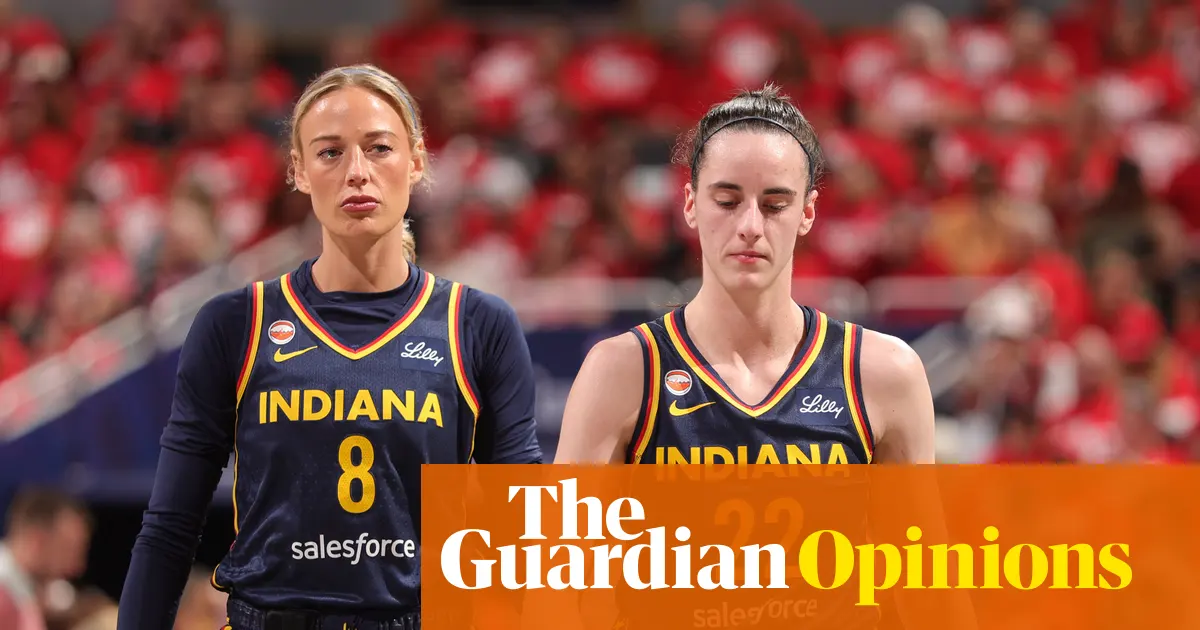
The Indiana Fever's tumultuous season has concluded, characterized by their elimination at the hands of the reigning champion Las Vegas Aces for the second consecutive year. This season, the Fever became a focal point in the WNBA, reflecting both the league's evolution and the unintended consequences of its growth, as they navigated the intersection of sports and culture wars. Less than a decade ago, teams like Atlanta and Minneapolis were lauded for their unified political messaging. Today, however, the Fever exemplifies a shift towards a more divisive political climate, often viewed as the league's embodiment of right-wing sentiments.
Read More
The Fever's notoriety this season was less about their performance on the court and more about their role in shifting the league's cultural dynamics. With standout players like Caitlin Clark and Sophie Cunningham in the spotlight, the team found itself at the intersection of controversy and political discourse. Clark, regarded as one of the brightest stars in women’s basketball, has become a central figure amid discussions about race and privilege in the sport, particularly within a league that predominantly features Black athletes. Her performance and attitudes on the court have been scrutinized, especially as some fans and political figures framed her challenges in play as a metaphor for broader societal grievances.
Cunningham, on the other hand, became a polarizing figure herself, often using her platform to engage in culture war discussions, particularly concerning trans rights. Her actions and statements have attracted attention from a segment of sports fans who are largely critical of women's sports, reflecting a broader cultural trend where divisive rhetoric has seeped into the arena of athletics.
As the season progressed, much of the focus shifted from the Fever's on-court strategy to the cultural discussions engendered by their star players, which in turn affected the overall team dynamic. Kelsey Mitchell, the Fever's longest-tenured player, expressed frustration with the team's media narrative, feeling overshadowed by the controversies surrounding her teammates.
Clark's status as a leading player in the league raised questions about how success and failure are perceived in the female sports world, demonstrating a complex relationship between race, gender, and public expectations. While she has achieved notable scoring stats, concerns about her on-court demeanor and teamwork have been emphasized, painting a picture of a player struggling with the weight of representation and expectation in a charged political atmosphere.
As the Fever concluded their season, they faced increasing criticism regarding their alignment with specific political factions and the perception of their fan base. General manager Amber Cox's remarks defending the team against external criticisms only underscored the challenges facing them. The Fever's experience serves as a microcosm for the broader issues within women’s sports, where historical grievances intersect with modern social dynamics, highlighting the complexities of identity in a changing cultural landscape.