An 18-month standoff between top players and Grand Slam tournaments is drawing to a close. Players, including world No. 1s Jannik Sinner and Aryna Sabalenka, issued a statement advocating for enhanced player welfare programs, an athlete advisory council, and a share of tournament revenues that aligns with other events. In August, the Grand Slam tournaments responded by establishing the requested player advisory council, indicating a shift towards meeting the athletes' demands. Consequently, on September 14, players announced the end of public protests and media restrictions.
Read More
While the creation of the player advisory council is a significant achievement for the athletes, discussions have moved to private negotiations, and some issues remain unresolved. The coalition’s primary focus is now on addressing athlete welfare contributions and increasing earnings. Their original request sought a revision of prize winnings to reach 22% of total revenue by 2030, comparable to ATP and WTA 1000 events. However, despite the U.S. Open having a record prize pool of $108 million in 2026, it only constituted about 18% of the tournament's operating revenue. Other Grand Slam events typically allocate 14-16% of total revenue for prize money.
The demand for athlete welfare programs is also critical, particularly as on-court conditions evolve. Jannik Sinner has been a prominent advocate, citing his own experience with heat-related illness during the French and Australian Opens, alongside other players like Novak Djokovic and Casper Ruud.
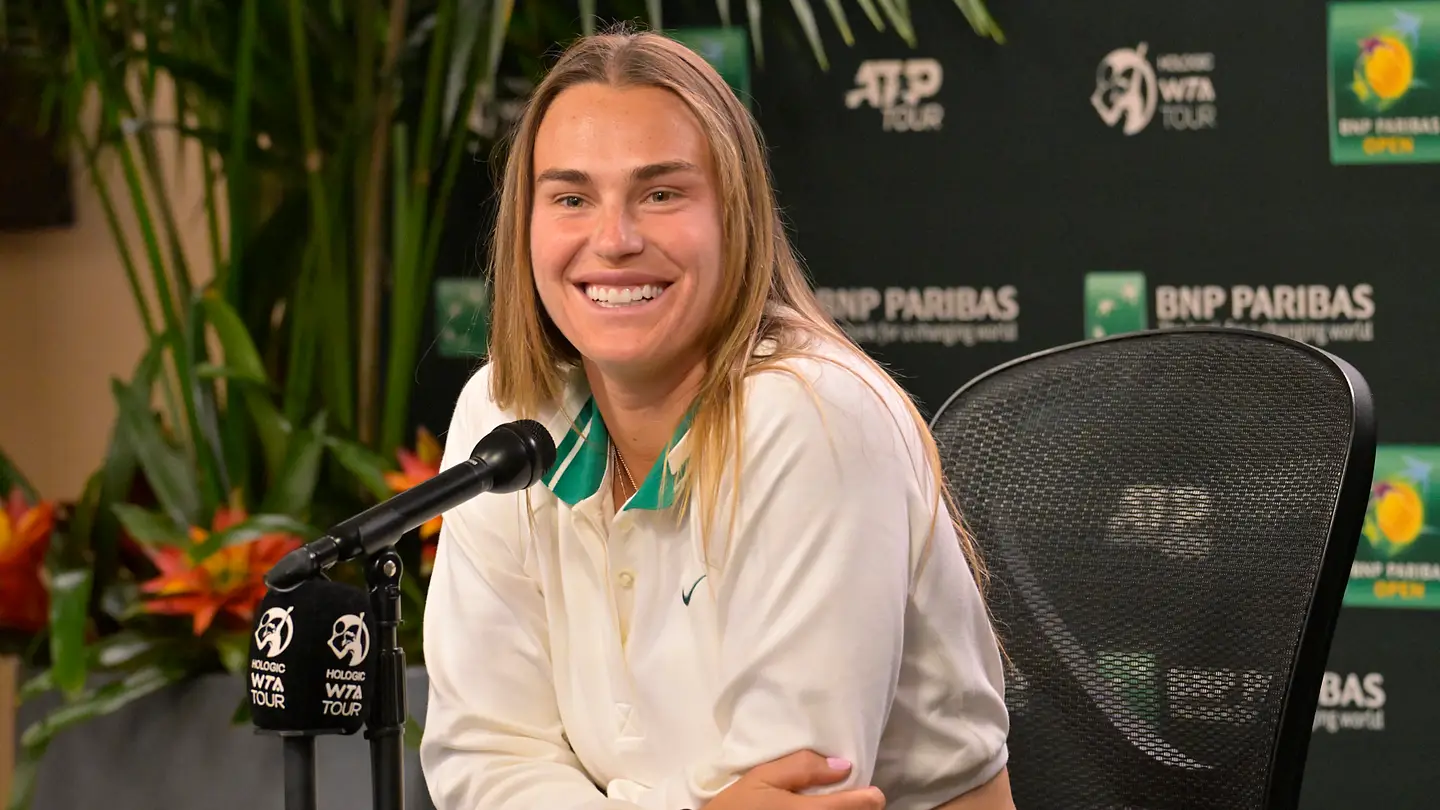
The conflict began with a formal proposal from players on July 31, 2025, focusing initially on prize money but later expanding to include welfare and the advisory council. Players engaged in direct actions starting in May 2026, restricting their press conferences to 15 minutes to symbolize their desired 15% share of Grand Slam revenues. Aryna Sabalenka notably shortened one of her press conferences to emphasize their push for fairer earnings for lower-ranked players.
Though players discussed various actions, including potential play boycotts, these measures were ultimately averted by advancements in negotiations, particularly around Wimbledon. The announcement of the advisory council following the U.S. Open led to the suspension of public actions.
In response to the situation, notable tennis figures have shared their views. Carlos Alcaraz, the second-ranked men's player, initially supported the initiative but distanced himself ahead of the U.S. Open, prioritizing player welfare. He highlighted the physical strain of the sport and indicated a need for breaks in the future. John McEnroe, speaking at the Laver Cup, suggested that players ought to boycott Grand Slam events to foster better financial agreements, asserting that players should be equal partners in revenue-sharing.
In late September, the twelve-member advisory council was announced, ensuring an equal representation of male and female players. Both players and fans are now watching to see if this council can bring about the transformative changes needed in tennis.