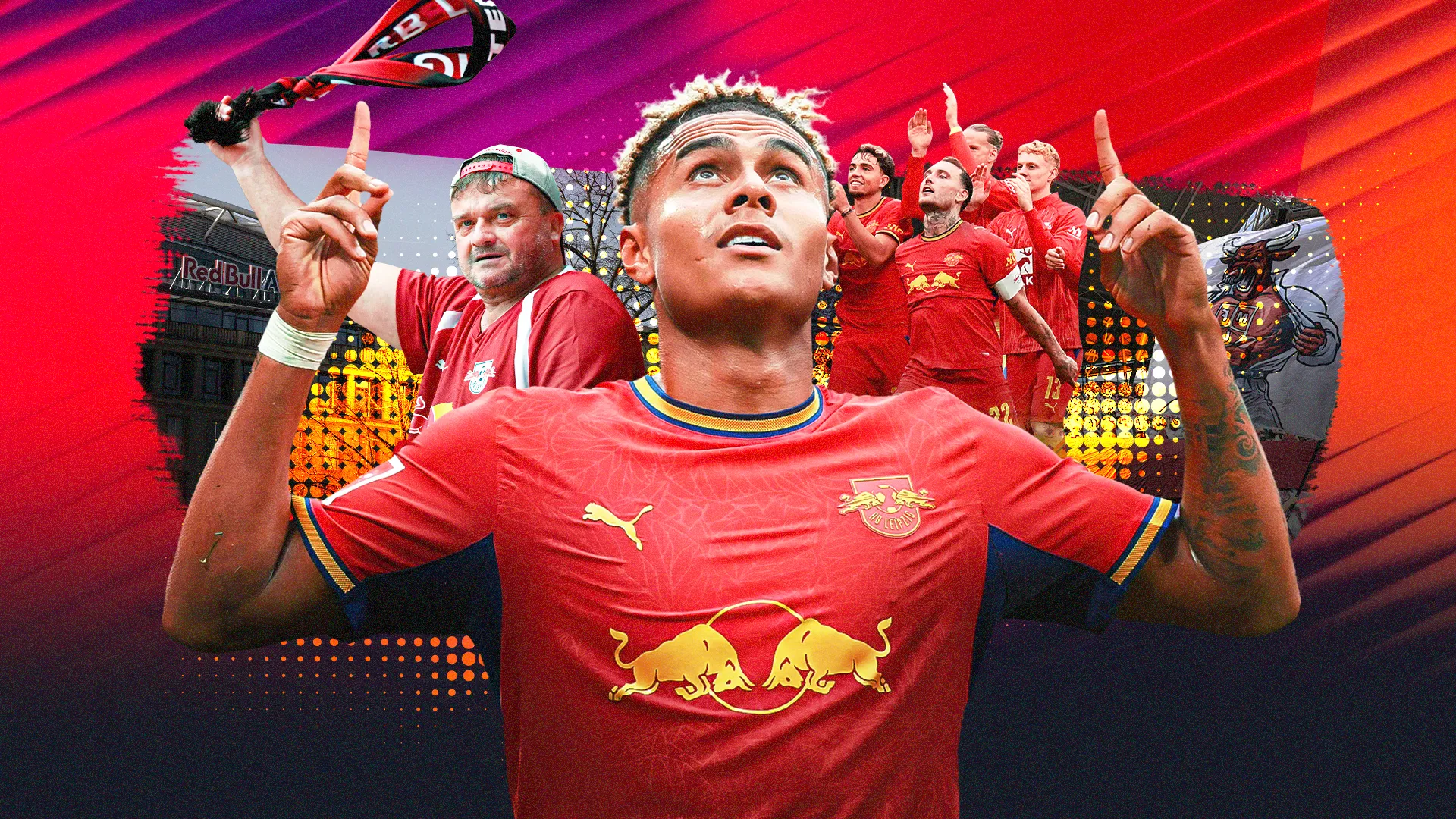
Tension surrounds RB Leipzig as fans acknowledge the corporate nature of their club, while defending its existence in the competitive landscape of German football. A fan remarked, “For us, it’s normal. The old football clubs hate the new constructions. That’s how it is in Germany.” Leipzig, a city with a strong football culture, has often felt overshadowed by established teams that failed to connect with the community. This complex dynamic has made Red Bull’s involvement a point of contention among traditionalists.
Read More
On September 13, 2026, Leipzig faced critical scrutiny after a difficult start to the Bundesliga season. New manager Martin Demichelis was under pressure following consecutive losses to Werder Bremen and Como in the Champions League. With tough matches against Bayer Leverkusen, Eintracht Frankfurt, and Bayern Munich upcoming, fans expressed frustration, some calling for a swift change in leadership.
Managing Director Marcel Schafer sought to alleviate concerns by publicly backing Demichelis. He acknowledged the unsettling atmosphere following the Bremen defeat, stating, “After the Bremen loss, it was already clear that we had the feeling that everything is under a question mark here, and this is not a good development for me.”
The Red Bull Arena served as the backdrop for a much-needed response, where Leipzig decisively defeated Hamburg on a rainy Sunday afternoon. Christopher Nkunku, who returned to Leipzig at 28 after previously leaving at 25, scored his first goal since the move, showcasing his commitment to the club. Nkunku expressed that he 'didn't hesitate for one moment' to join on a season-long loan. His goal was marked by a vivid celebration, pulling a red balloon from his sock and inflating it in front of the enthusiastic fans, who chanted his name in appreciation. As the match concluded, the team celebrated with their devoted supporters, reinforcing their bond despite critiques labeling them as ‘enemies of football.’