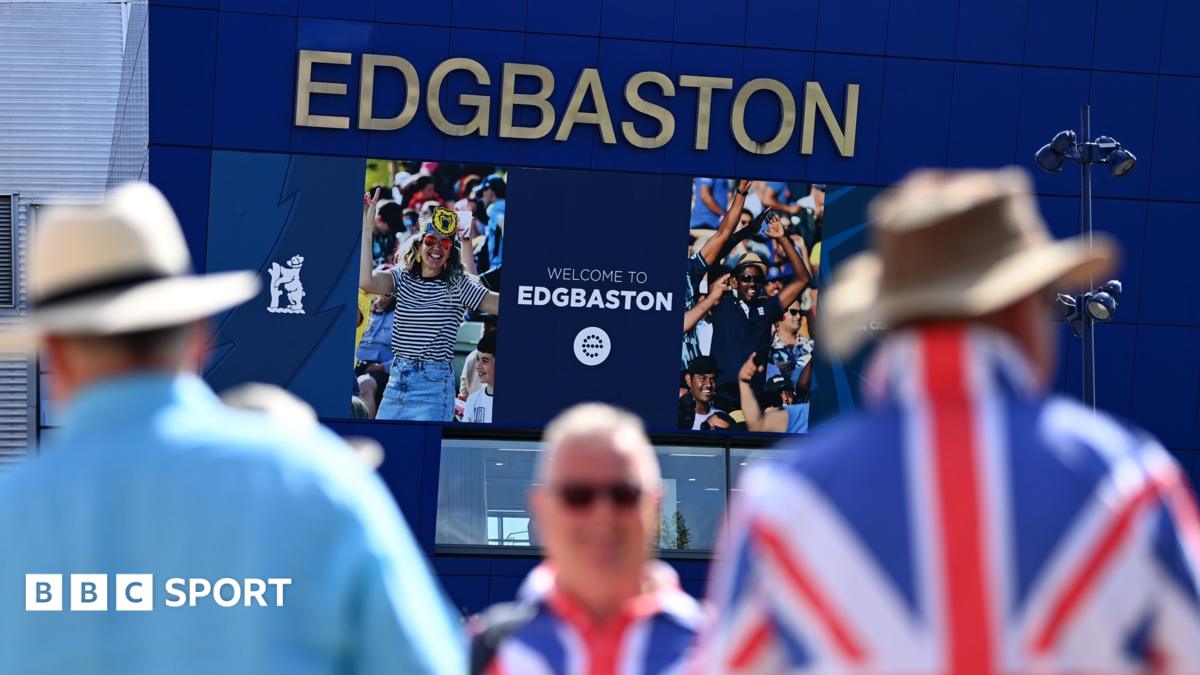
Fans expressed frustration after ticket price hikes for major UK sporting events were announced this summer. For the upcoming Ashes series, ticket prices at Edgbaston have surged from a minimum of £65 in 2023 to £115, marking an increase of £50 over four years. Other venues, like The Oval, display even higher costs. During the last series in Australia, some tickets were sold for as little as £16 to £22 across five venues.
Read More
Wimbledon 2024 will see its highest standard seat prices for the men's and women's singles finals reach £400, a £50 increase from 2026 and more than double the price in 2017. Despite these increases, Wimbledon remains the most affordable among the four Grand Slam tournaments, although a Centre Court ticket for the middle Saturday now starts at £130.
At Silverstone, general admission for Grand Prix Sunday has risen from £189 in 2021 to £289. The cheapest allocated seat now costs at least £609, compared to £276 five years ago. Additionally, general admission to the 2027 Ryder Cup at Adare Manor will cost €499 (£434), significantly higher than the up to €260 (£220) for this year's event in Italy.
Other recent events illustrate similar trends; this year, fans paid £150 for a day at The Open at Royal Birkdale, up from £95 at St Andrews in 2022. Ticket prices for the FA Cup final also increased, varying from £50 to £285 in 2026, compared to £50 to £120 in 2016.
Lee Hanlon, an England cricket fan, expressed his discontent, stating that the rising costs have priced out ordinary cricket fans, leaving only wealthier attendees.
Mark Darbon, the chief executive of the R&A which oversees The Open Championship, noted that pricing is aligned with broader economic trends where the perceived value of live experiences has grown. He mentioned that ticketing generates less than 20% of total revenue for The Open, underscoring increasing operational costs, which have risen by 25% over the past five to six years.
The rise in ticket prices also reflects a trend toward more hospitality offerings that elevate costs for standard ticket holders. Richard Flint, chairman of Seat Unique, explained that the corporate box model has shifted toward breaking them into individual seats, making these experiences more accessible yet contributing to the price uptick.
In response to economic volatility and changing consumer habits, broadcasting rights for live sports are becoming increasingly valuable, prompting a surge in subscription services. For example, a UK football fan may need multiple subscriptions, including Sky Sports, TNT Sports, Amazon Prime, and Premier Sports, to access various matches.
Pete Oliver, CEO of growth markets for DAZN, emphasized the challenges fans face when sports are spread across different platforms. He noted that investments in sports rights have plateaued, leading to a situation where fans pay more while broadcasters do not significantly increase their spending.
Pierre Maes, a consultant on sports media rights, indicated that fans unwilling to resort to illegal viewing methods may find themselves facing higher costs. He cautioned that as ticket prices rise amid content fragmentation, piracy could become more appealing to the public, mirroring challenges faced by the music industry.
There is an urgent need for a sustainable model that retains fan engagement to prevent sports from losing their audience.