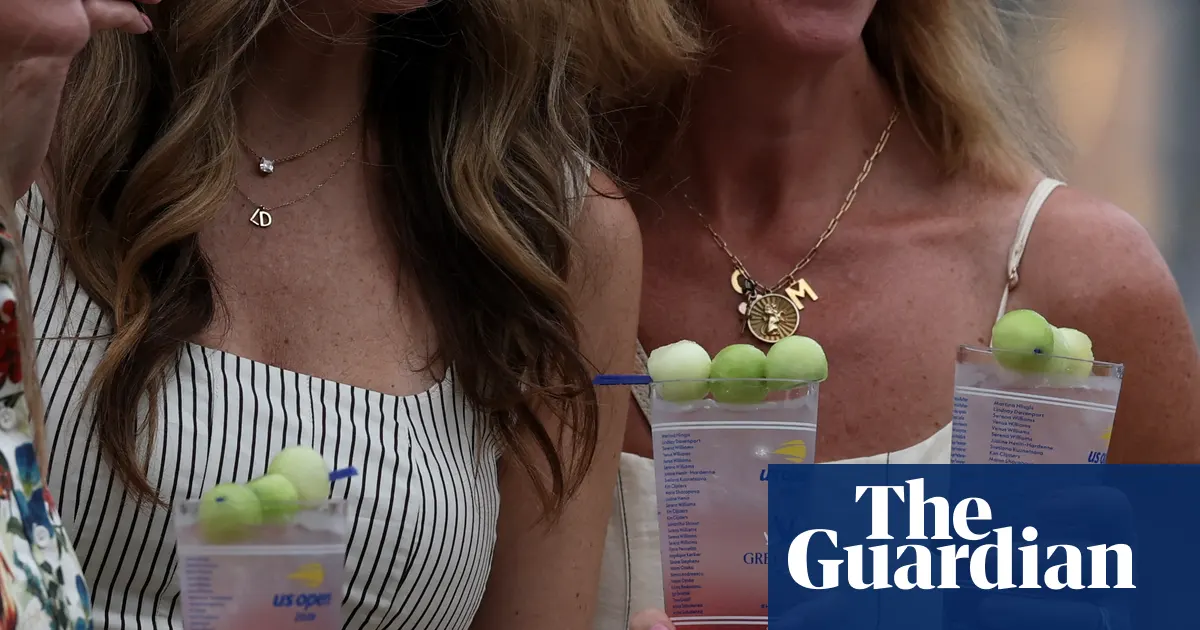
Visitors to Arthur Ashe Stadium at this year's US Open have observed a distinctly noisy atmosphere, characterized by various distractions both on and off the courts. This includes loud conversations among fans and a constant backdrop of ambient noise, from the nearby Long Island Rail Road to cooling units outside the stadium. The unique energy of New York City, known for its vibrant noise, has long been a hallmark of the US Open. However, this year's disturbances, prompted in part by the presence of social media influencers, have raised new concerns about crowd behavior.
Read More
Influencers have been identified as significant disruptors, with incidents such as a brief stoppage in Naomi Osaka’s first-round match due to a fan filming with a ring light. Additionally, other players have expressed frustration with audiences focused more on their social media posts than the matches themselves. Meanwhile, complaints about unruly fans have surfaced, including a drunk spectator ejected during a match involving Jakub Menšik and the pervasive smell of marijuana noted by Aryna Sabalenka during her match.
Adrian Mannarino described this year's atmosphere as resembling a zoo, emphasizing a need for measures to address the disturbances that have affected the event's integrity. While the event has felt increasingly crowded, contributing to chaos in queues and around amenities, the underlying issue may stem from broader cultural shifts influenced by technology and commercialization.
The US Open has embraced sponsorship and brand promotion, contributing to its current environment. Many argue that the USTA, by fostering this commercial culture, bears some responsibility for the noise and chaos. If the organization wishes to limit the influence of disruptive spectators, it would first need to reconsider its reliance on brands that attract them.
The role of silence in tennis is also under scrutiny, as the sport traditionally emphasizes respect during play. Observations from outer courts show that players are often able to concentrate despite surrounding noise, prompting discussions about whether elite players should adapt to their environment.
The smell of marijuana, while noticeable, has been normalized in the city, raising the question of how much influence such factors should have on the spectator experience at the Open. Amidst ongoing debates about accessibility and pricing, a tension exists between maintaining the sport's elite image and opening it up to a broader audience.
The response to the presence of influencers and noisy fans risks overshadowing the broader goal of promoting the sport. As players like Osaka highlighted, it's vital for everyone to understand the rules and etiquette of attending matches. However, the feasibility of educating diverse crowds remains uncertain.
Reflecting on cultural and social implications, a juxtaposition is drawn between the US Open crowd and the diverse communities surrounding Flushing Meadows Corona Park, which exhibit different forms of engagement and celebration. This contrast emphasizes the impact of society on sports events and suggests that changing the crowd at the US Open would necessitate a larger societal shift towards community and human connection.
Ultimately, the issues at the US Open illustrate broader cultural dynamics that extend beyond the realm of tennis.