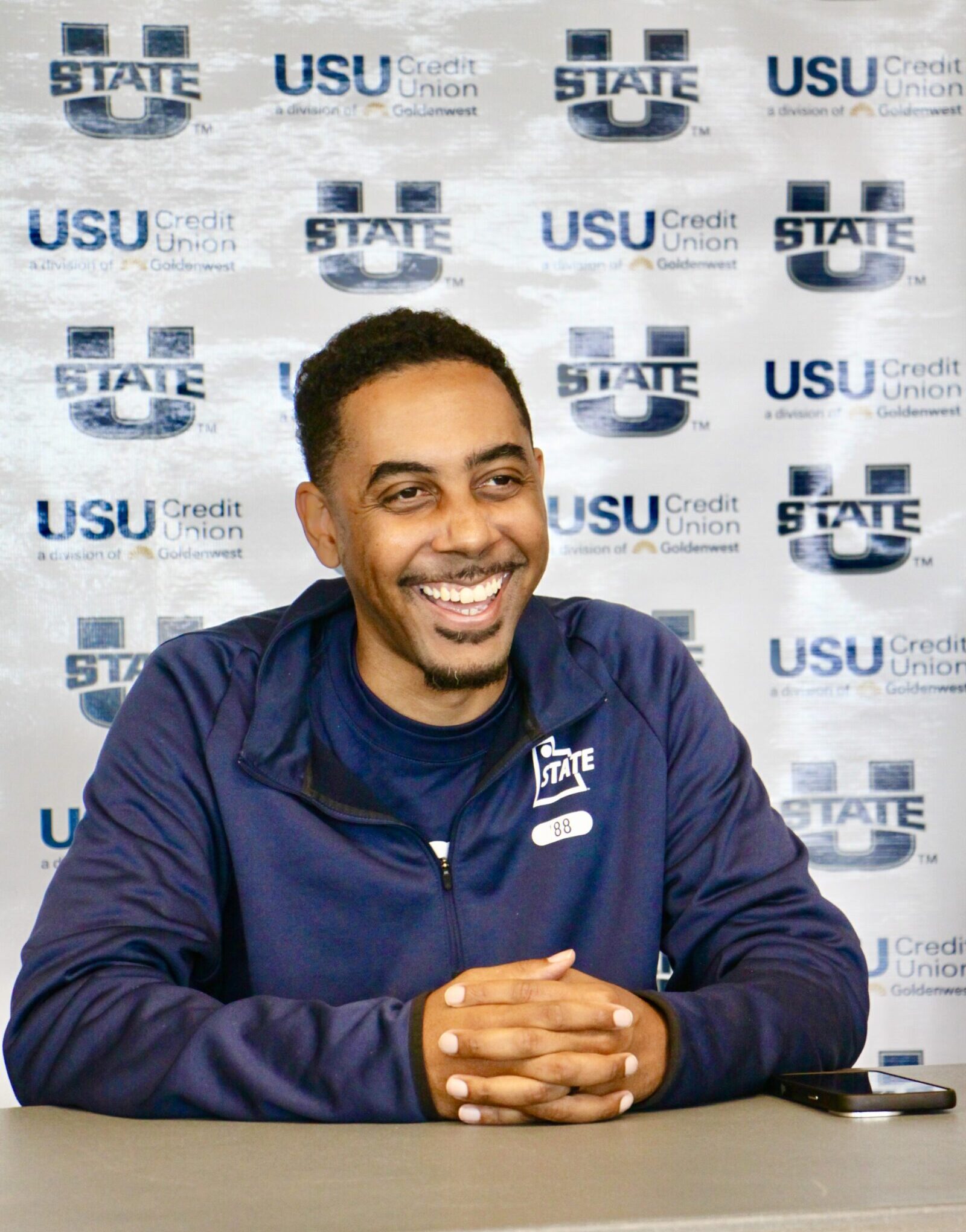
On October 5, 2026, Utah State University’s Women’s Basketball team held its media day, offering fans a preview of the upcoming season and an introduction to new players and coaches. The program, which has not achieved a winning season since 2018 and has not won more than 10 games in a single season since 2021, is looking to improve under head coach Wesley Brooks, who is entering his third year.
Read More
Brooks expressed optimism about the team's potential, stating, “We’re really excited about our group, really excited about the talent that we have. Our culture has been established, and I believe in what we’re doing.” He emphasized the depth of the roster and mentioned the team’s aim to compete effectively in the Pac-12.
The 2026-27 season's roster is considered by Brooks to be the most talented he has coached at USU, featuring four transfers from Power Five conferences. He noted, “We had five P5 players. Utah State’s never had that many before in the last 10, 15 years. We have people who’ve been through it and know what it takes.”
Key transfers include guard Lisa Thompson, who previously played for both Rutgers University and the University of Missouri; Acacia Hayes, who earned Conference USA All-Freshman honors at Western Kentucky University; and centers Sami Mancini and Danika Galea, who transferred from Providence College and the University of Arkansas, respectively. Hayes conveyed the importance of balancing experience with inexperience on the roster, suggesting it would help develop the team cohesively throughout the season.
Utah State's non-conference schedule includes notable opponents like the University of Southern California and Texas Christian University. According to Brooks, these games serve as early tests that help raise the team's profile nationally. He referenced the competitive nature of these challenges, saying, “If you want to be a man, you got to beat the man. It’s about being the best version of ourselves every night, no matter who we play.” Brooks views these initial matches as opportunities to measure the team’s progress and identify areas for adjustment as they move through the season.