The Middle East has become a focal point for tennis as the ATP announced a new Masters 1000 tournament in Saudi Arabia scheduled for 2028. However, the ongoing geopolitical instability in the region poses significant challenges for the sport. The postponement of the 2026 Six Kings Slam, a lucrative exhibition scheduled for Riyadh, further highlights these concerns.
Read More
On Thursday, organizers cited logistical challenges due to security assessments as the reason for the postponement from late October to December 27. This decision followed a terrorist attack by Yemen’s Houthi movement on Riyadh airport, resulting in 13 deaths and over 300 injuries. The Saudi government responded with airstrikes on more than 100 military targets, escalating regional tensions.
Earlier in March, ATP players faced similar issues when military actions between the US and Israel against Iran coincided with tournaments in Doha and Dubai, leaving players like Holger Rune and Daniil Medvedev stranded in their hotels amid escalating hostilities. Rune's mother described the tense atmosphere, noting their fear during the attacks.
In response to these security concerns, the WTA decided to move this year's Finals from Saudi Arabia to Indian Wells, despite a contract for the 2026 edition. The tournament will not return to Riyadh, with Charlotte confirmed as the host for 2027.
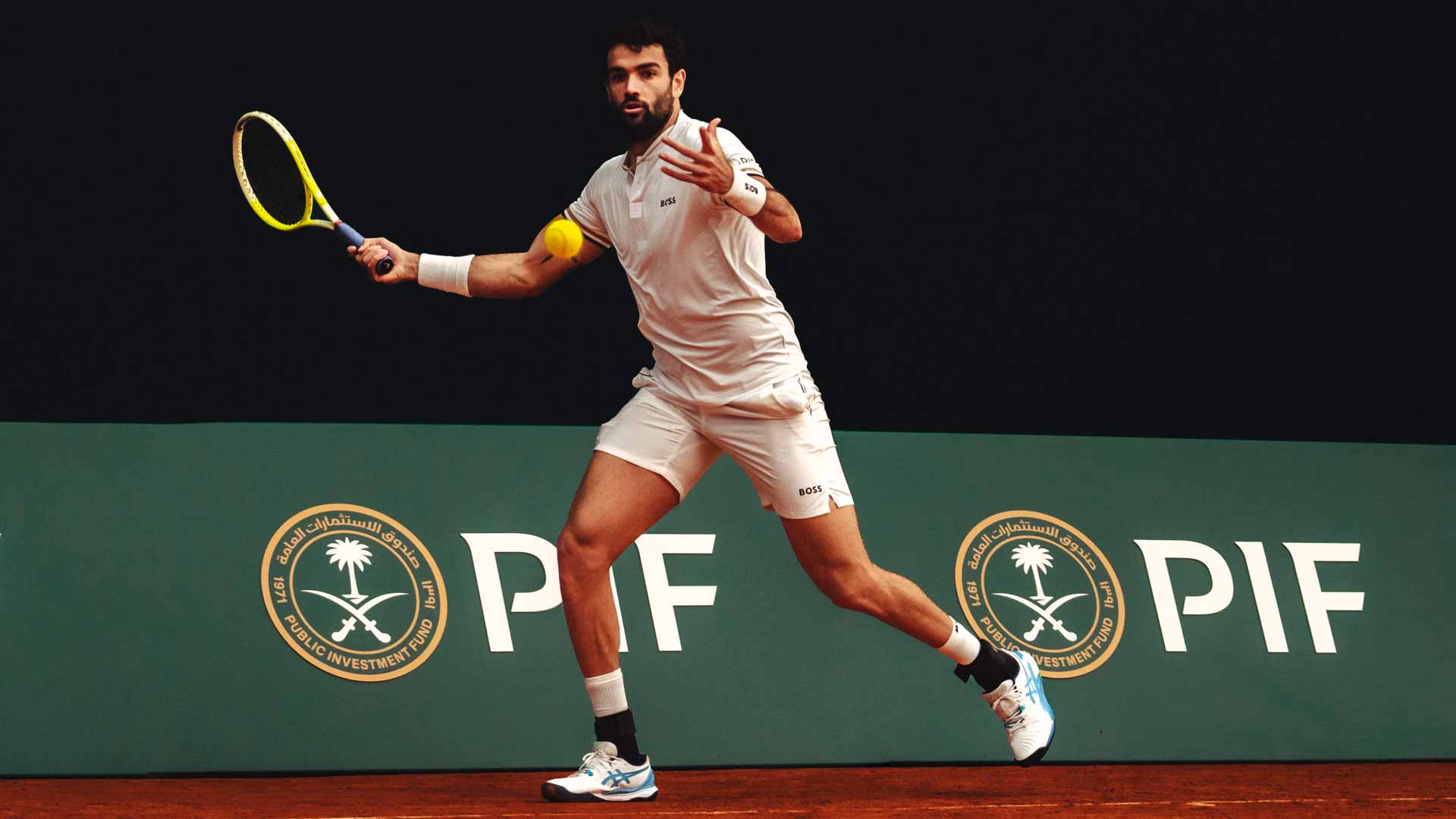
The ATP's relationship with the Middle East is evolving, with plans for a new Masters 1000 in Saudi Arabia and the Public Investment Fund (PIF) seeking to acquire licenses for other tournaments. This includes potential changes in Buenos Aires in 2029 and the possible removal of Acapulco from the calendar. The PIF is also becoming a significant sponsor for the ATP.
Despite these plans, the unpredictable geopolitical landscape complicates future events. Formula 1 cancelled the Saudi Arabian Grand Prix and relocated the Bahrain Grand Prix, while the NBA ceased its pre-season games in the region following four consecutive years of participation.
Looking ahead, although the ATP envisions a prominent role for the Middle East in tennis by 2028, the feasibility of these aspirations remains uncertain amid ongoing instability.