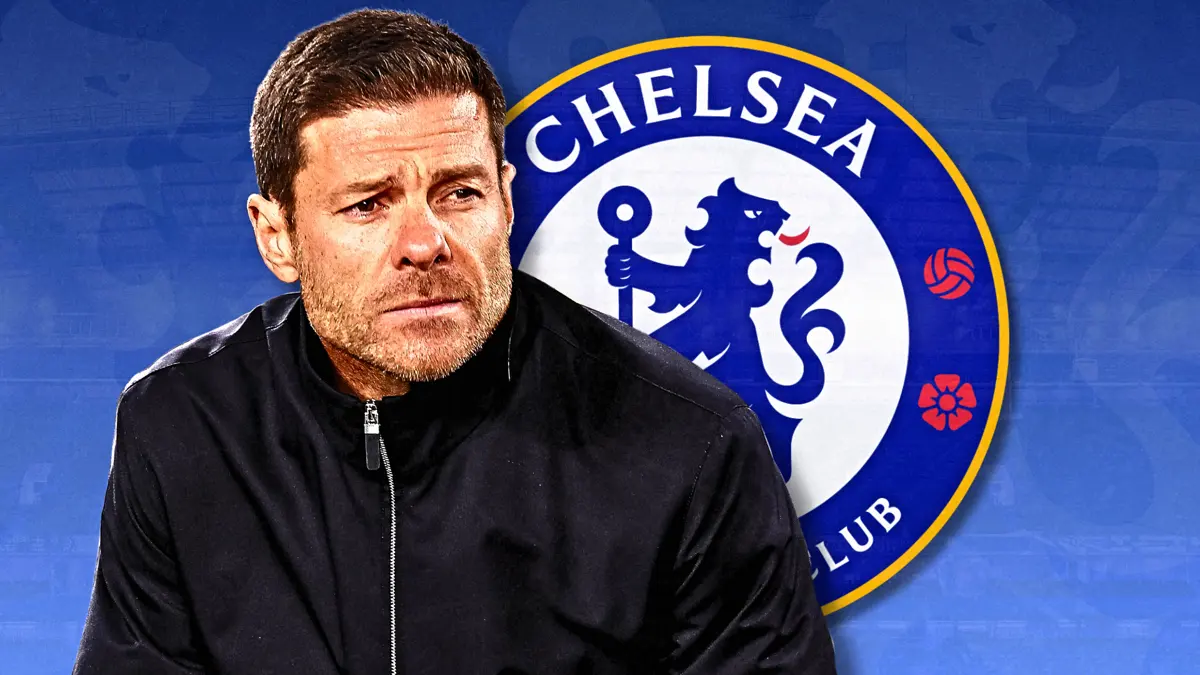
Chelsea's actions during the summer transfer window in 2026 were largely seen as successful, addressing previous issues and incorporating experienced players to complement the youth in the squad. Key outgoing transfers and loan deals for promising academy players like Ryan Kavuma-McQueen and Reggie Walsh suggest a strategic shift.
Read More
However, a significant mistake occurred in late July when Alejandro Garnacho, who had struggled during his debut season at Stamford Bridge, was loaned to Aston Villa. Despite expectations that he would secure a permanent transfer, Chelsea included an obligation-to-buy clause in the loan agreement, contingent on certain performance metrics, although the exact details remain unclear.
A critical oversight was the omission of a January break clause, as reported by The Telegraph. This means Chelsea cannot recall Garnacho during the mid-season transfer window, even as his situation at Villa worsens. He has logged only 31 minutes of play from a potential 720 this season and has recently fallen further out of favor following the recovery of Johan Manzambi and the acquisition of Ibrahim Mbaye. Garnacho has been an unused substitute in Villa's last four matches, suggesting he is unlikely to become a significant contributor under manager Unai Emery.
Consequently, Chelsea risks missing out on a substantial transfer fee next summer while lacking options to reintegrate Garnacho into their squad in January. He may remain benched for the rest of the season, returning to Chelsea with diminished reputation and transfer value.
This situation echoes the struggles of Harvey Elliott, who experienced a similar loan to Villa last season. Elliott’s loan also contained an obligation-to-buy clause and resulted in only nine appearances, prompting Villa to ultimately decline signing him permanently. Garnacho’s trajectory appears poised to mirror Elliott's, raising concerns for Chelsea about finding a suitable buyer for the winger next year.