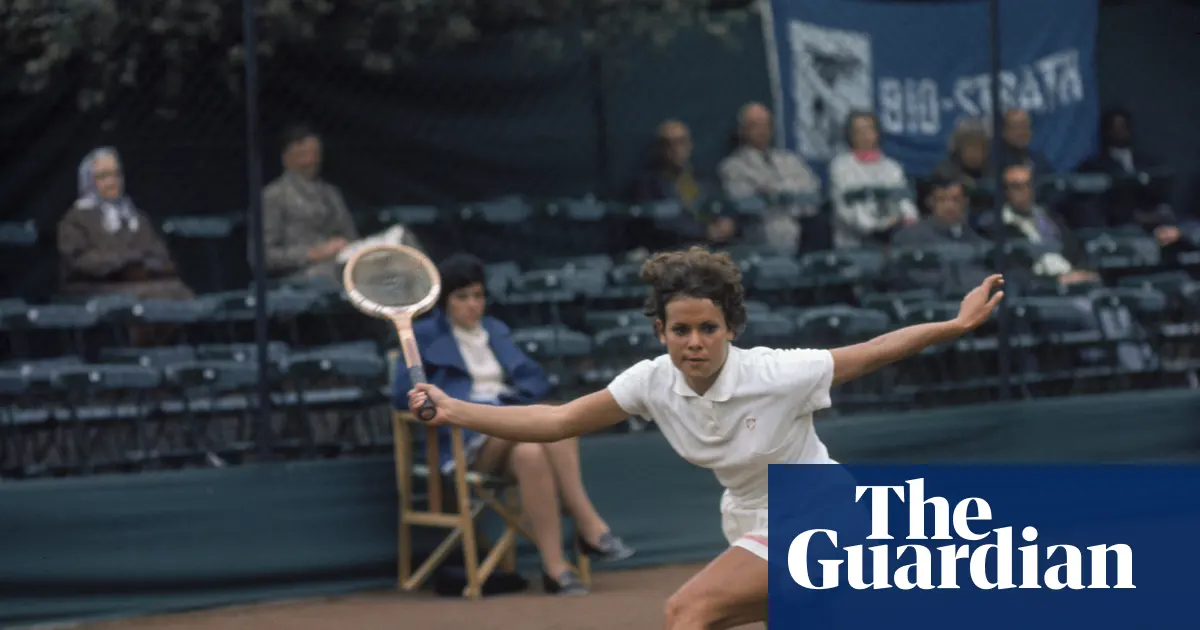
In 1969, 17-year-old Evonne Goolagong was living in Sydney with her tennis coach, Vic Edwards, after leaving her hometown of Barellan in New South Wales. She aimed to become the first Aboriginal tennis champion, fully focused on her training and away from the political realities of being Black in Australia. Goolagong attended Willoughby Girls High School, where she was the only Aboriginal student, and was enrolled in a secretarial course at the Metropolitan Business College, close to the Foundation for Aboriginal Affairs, a cultural support hub for city-based Aboriginal people.
Read More
During this time, Goolagong was training for a European tour and regularly playing doubles with Edwards' daughter, Trisha. They often participated in competitions, including one match at White City where an unexpected remark changed everything for her. After defeating their older opponents, one of the ladies uttered a racist slur towards Goolagong, shocking her. Although initially in disbelief, the comment had a profound emotional impact, leaving her in tears on the court.
Feeling devastated, Goolagong reached out to her friend Isabel at the foundation, who urged her to come immediately. When she arrived, Isabel and Bob comforted her through her tears. Bob reassured her that this type of racism was something they all faced and encouraged her strength. This experience shattered Goolagong's naivety regarding racial issues and marked a turning point in her understanding of her identity as an Aboriginal woman.
Upon returning home, Goolagong learned that Mr. Edwards had informed the NSW Lawn Tennis Association about the incident and was preparing an official complaint. Although she never encountered the woman again, Goolagong's connection to the Foundation deepened, where her friends helped instill a sense of pride in her heritage.
Two years later, in 1971, Goolagong made history by winning her first Wimbledon singles title, becoming the first Aboriginal woman to do so. She dedicated her victory to all Aboriginal people, aiming to inspire future generations of Aboriginal athletes by paving the way for them.