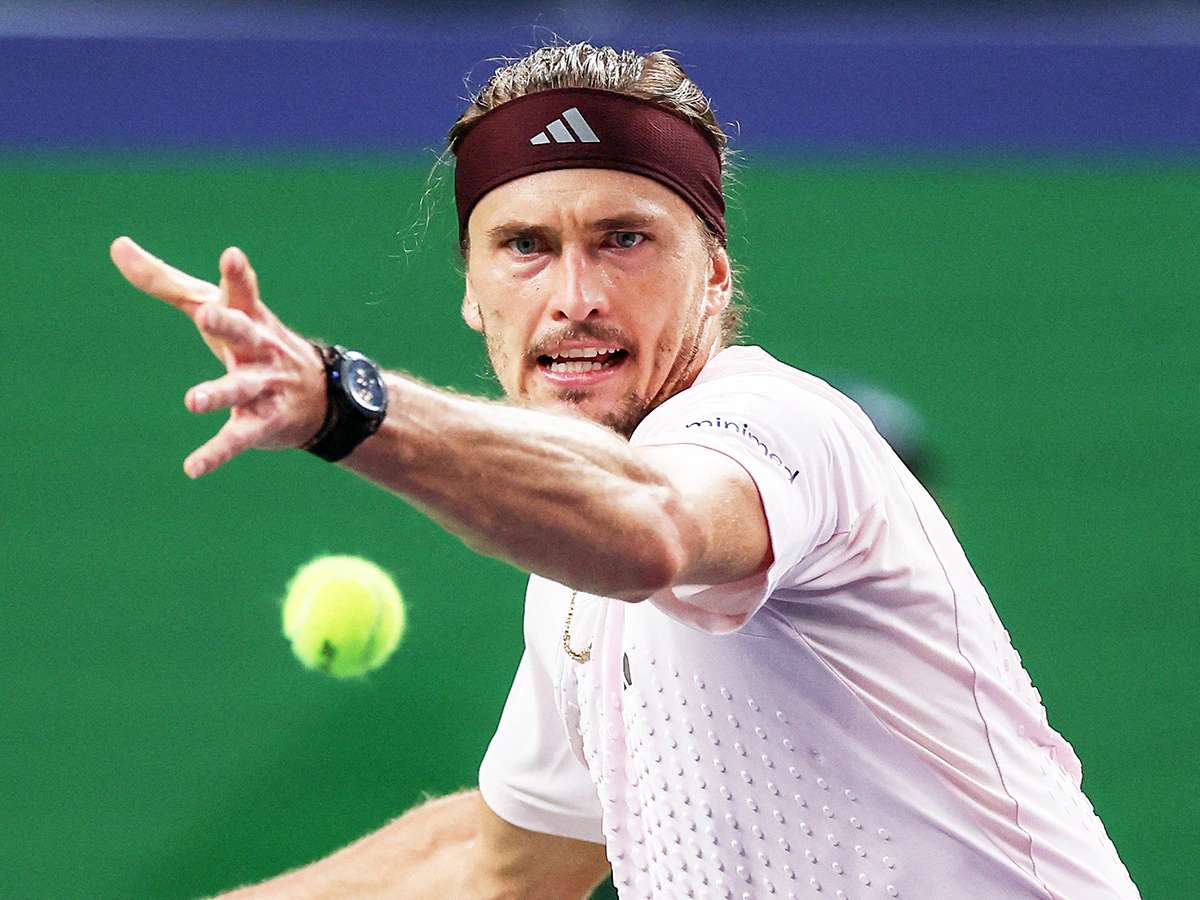
As of Monday, Alexander Zverev has ascended to World No. 1 in the ATP rankings, capping off a year in which he secured two Grand Slam titles. Zverev's success comes after a long stretch in which he reached the finals of three out of four Majors, standing out particularly in a season where Carlos Alcaraz, the youthful star, also won his share by claiming a total of six Majors by age 22.
Read More
Historically, Zverev has often been overshadowed—both on the court and due to allegations of domestic abuse from past partners. The ATP Tour concluded its investigation into the first allegation in 2020, citing “insufficient evidence.” A second case was settled for €200,000; however, Zverev's lawyers noted that this settlement was not an admission of guilt.
Despite these controversies, Zverev's playing ability is noteworthy. His closest attempt to win a Grand Slam prior to this season occurred during the 2022 French Open, where he was forced to retire due to a severe ankle injury while facing Rafael Nadal in the semifinals. This injury sidelined him for six months, delaying his ascent in the sport.
As he regained form, Zverev faced a changing tennis landscape, once dominated by the Big Three—Roger Federer, Rafael Nadal, and Novak Djokovic. Upon returning to competitive play, he encountered a new generation led by Alcaraz and Jannik Sinner, who have rapidly captured many titles. In this era, many believing Zverev and his peers, such as Stefanos Tsitsipas and Andrey Rublev, had become part of a 'lost generation' that could not secure a Major title.
Zverev's past achievements include winning the gold medal at the Tokyo Olympics in 2021. However, the Olympic victory did not significantly impact his public perception compared to Grand Slam titles.
As we approach 2026, Zverev is finally being recognized for his achievements. He is changing the narrative surrounding his career with two Grand Slam victories and the top ranking, marking a potential turning point. However, questions remain about the legitimacy of his success amidst the absence of key competitors like Alcaraz due to injury and Djokovic’s decline.
While Sinner’s early exit at the French Open and Djokovic's early elimination at the US Open aided his title runs, Zverev's title wins must also be assessed within this context. The quality of opponents he faced was less daunting than expected, leading to speculation about the strength of his victories.
Nonetheless, Zverev has shown significant improvement in his game, adopting a more proactive style while training at the Rafa Nadal Academy. His strategic evolution was evident during his win over Ben Shelton in the US Open final—a match during which he was more assertive and tactical, earning praise from tennis great John McEnroe.
Now that Zverev has reached World No. 1, he faces the challenge of maintaining his position and navigating the pressures that accompany being a top-ranked player. The upcoming year will reveal whether he can stabilize his reign and compete effectively against the emerging talents while silencing critics of his earlier career. For now, he can celebrate this significant achievement in his professional journey.