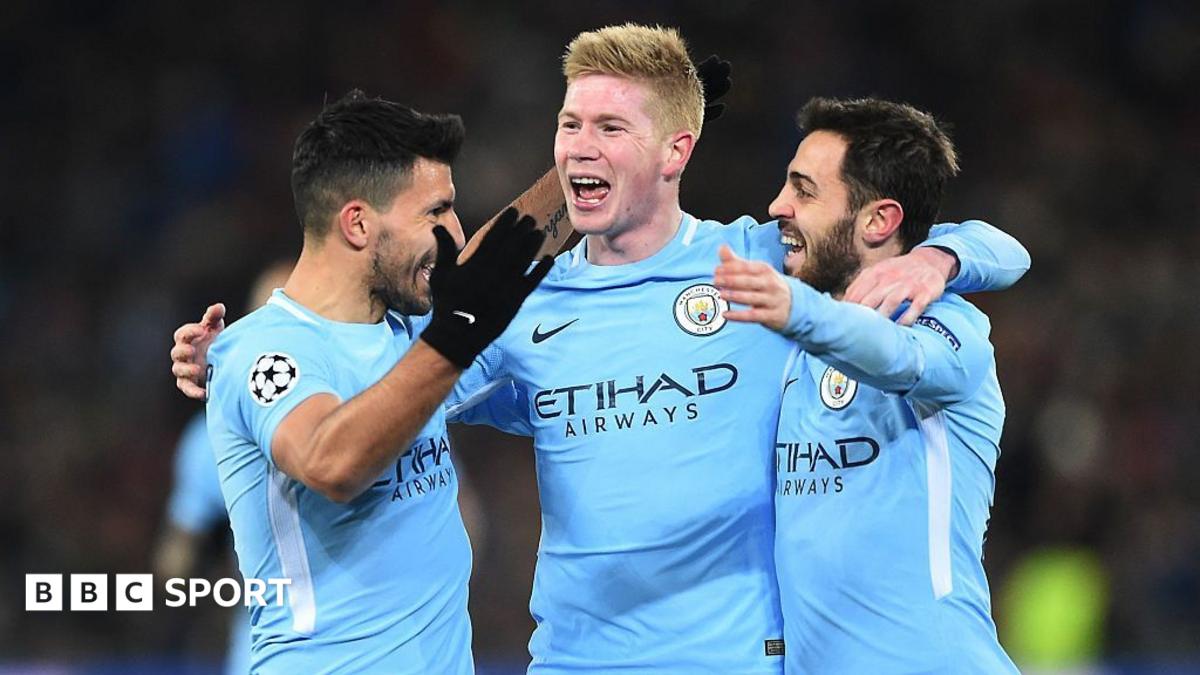
Manchester City's financial influence has significantly altered the football transfer market. Their readiness to pay higher transfer fees and wages has driven up prices across the board. When teams are aware that City has substantial funds available, they are likely to inflate their asking prices, complicating City’s spending even further.
Read More
Many clubs that received substantial payments from City during this era did not fare well after these transactions. For instance, Wolfsburg used part of the £54 million they received for Kevin De Bruyne in 2016 to acquire players like Julian Draxler, but this investment did not yield positive results, as Wolfsburg fell from second to eighth in the Bundesliga, narrowly avoiding relegation in the following seasons.
Similarly, Monaco struggled after selling Benjamin Mendy and Bernardo Silva to City. Their replacements, Terence Kongolo and Keita Balde, did not deliver results, leading Monaco from a Ligue 1 title and a Champions League semi-final appearance to near relegation within two seasons.
Arsenal, the club from which City made the most purchases between 2009 and 2018, failed to mount a serious challenge for the Premier League title during that timeframe.
Also noteworthy are clubs that did not receive direct payments from City, like Sporting CP, which did not win a league title from 2009 to 2018. Some observers speculate that transfers to their local rivals compromised Sporting's competitive standing, as they missed out on funds that might have otherwise been distributed fairly across the league.
Additionally, some indirect payments benefitted clubs that had sell-on clauses. For example, Queens Park Rangers earned approximately £9 million from Raheem Sterling’s transfer from Liverpool to City in 2015, while Barnsley received around £7 million from John Stones’s move to Everton in 2016. These amounts strengthened their financial positions, although both teams faced challenges in maintaining their league status afterward.
Manchester City's spending during a time of regulatory breaches has had a profound effect not only on their success but also on the financial landscape of football and other clubs involved. The full impact of this spending will likely continue to be felt for years.