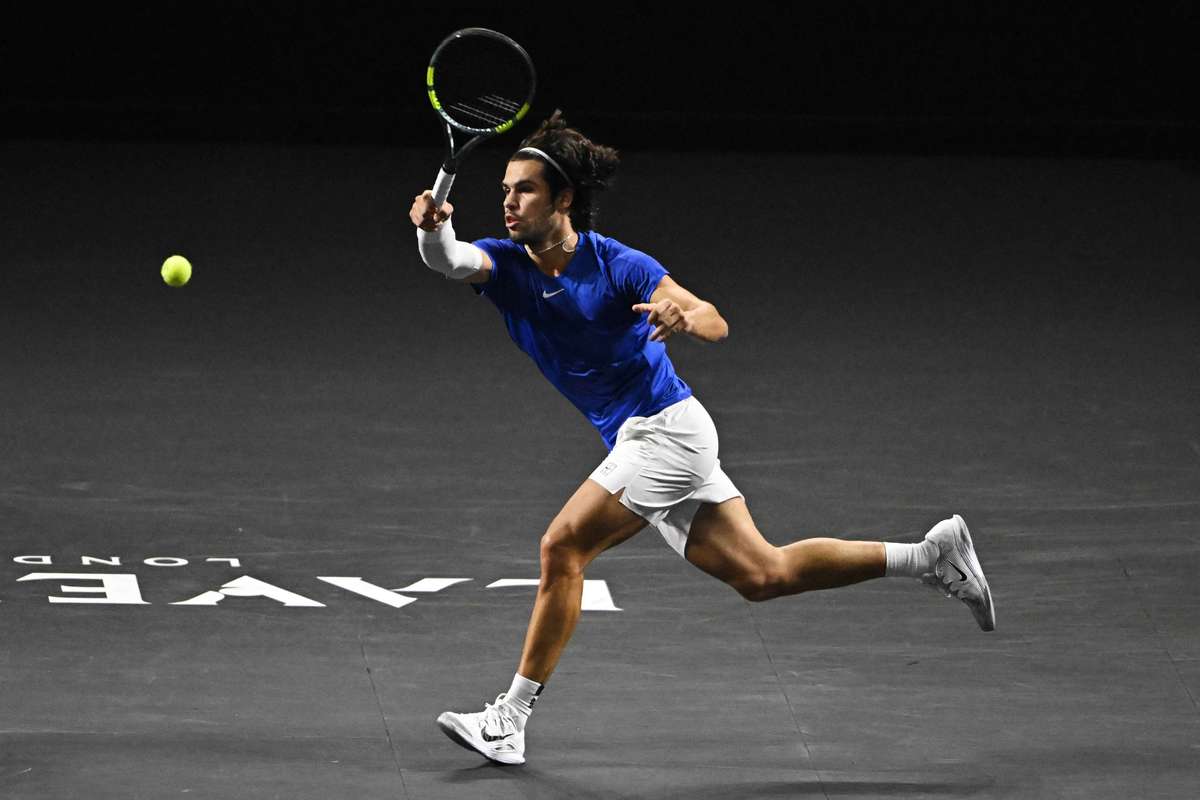
Carlos Alcaraz has argued that Grand Slam tournaments should stick to the best-of-five sets format, asserting that changes could undermine the legacy of these prestigious events. Speaking at the Japan Open, Alcaraz emphasized the rich tradition of five-set matches, suggesting that moving to best-of-three sets would diminish the significance of the Grand Slams.
Read More
"The beauty of the Grand Slams is playing best-of-five sets. If we take away that and play best-of-three sets, we're killing the legacy of the Grand Slams," Alcaraz stated. He noted the long-standing tradition of the five-set format and expressed his preference to maintain it.
The discussion surrounding player workload was reignited during the US Open last month, especially after Alcaraz's quarter-final match against Ben Shelton concluded at 3:33 a.m. Although Alcaraz supports measures to avoid late finishes, he believes focusing on the tournament structure is crucial.
Meanwhile, other tennis figures have suggested potential alternatives to the five-set format. Novak Djokovic has previously advocated for best-of-three matches in the early rounds of Grand Slams, and new Tennis Australia chief Andrew Abdo mentioned possible alternative formats at a recent conference. However, the Australian Open later confirmed that while innovation is appreciated, five-set matches will remain unchanged, with further information expected before the 2027 tournament.
To enhance player welfare, the Grand Slam tournaments have introduced a new Player Advisory Council aimed at addressing concerns regarding player welfare and compensation. Reports indicate that notable players like Djokovic, Elena Rybakina, and Aryna Sabalenka are involved, though Alcaraz and top player Jannik Sinner are not part of this council.
Alcaraz has also highlighted the need to reassess the demanding 11-month tennis calendar, especially following his experience of being sidelined for nearly five months with a wrist injury. He called for a reduction in consecutive tournaments to alleviate pressure on players. The ATP has not provided immediate comments on these concerns, although its chairman, Andrea Gaudenzi, previously defended the busy schedule, stating it ultimately remains the players' choice.