As of September 23, 2026, the men's international soccer break is the longest on record, highlighting numerous significant storylines worldwide over the coming weeks.
Read More
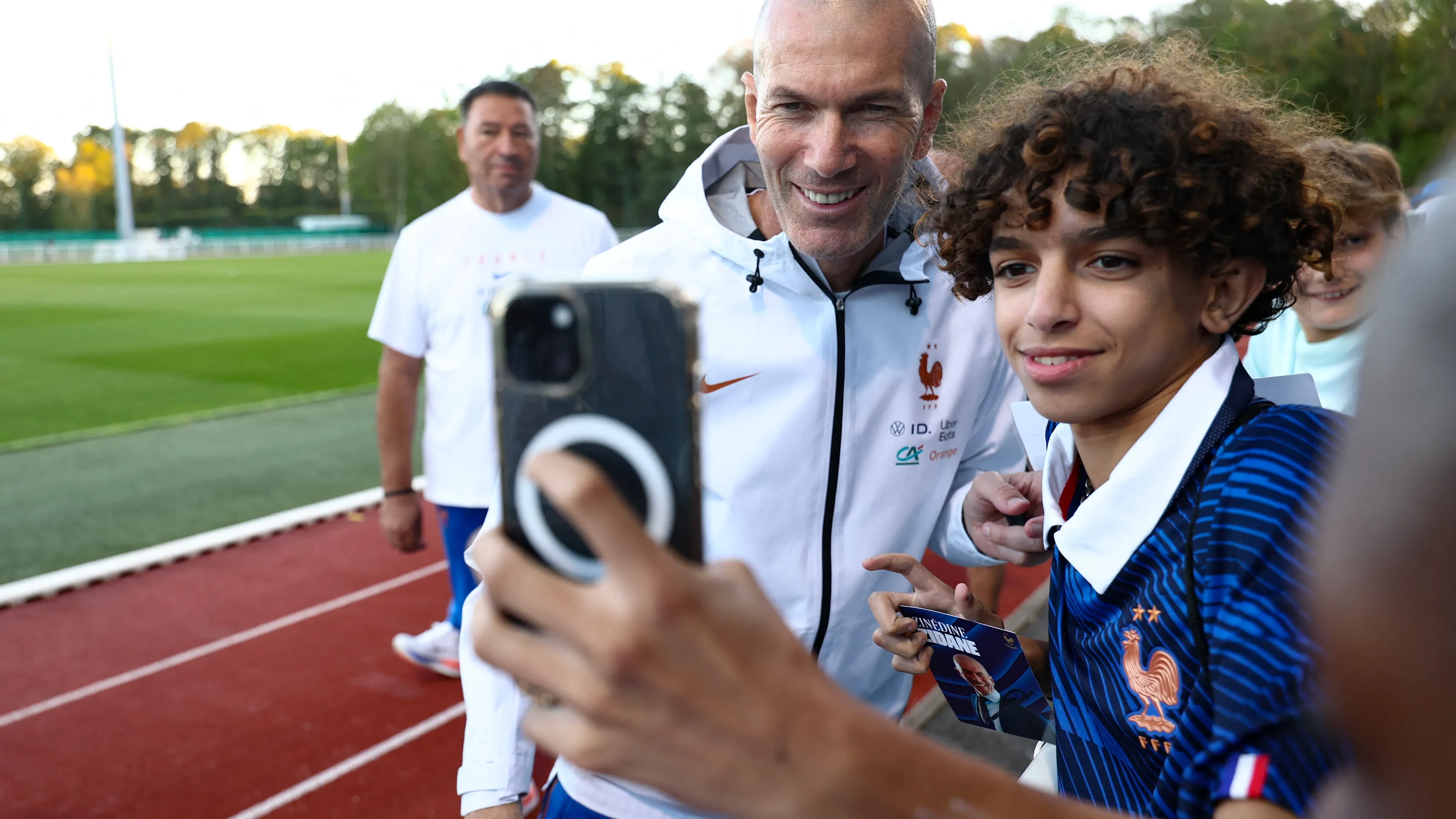
A major focus will be on Jurgen Klopp and Zinedine Zidane, who are taking charge of their respective national teams for the first time. Zidane, now managing France, has limited his squad to 23 players and insists on a serious approach, as noted by Philippe Diallo, president of the French Football Federation. Conversely, Klopp, overseeing Germany, has selected 44 players across two groups for upcoming matches against the Netherlands, Serbia, and Greece, aiming to foster inclusion and establish a fresh start.
Xavi Hernandez’s appointment as manager of the Netherlands adds another layer of intrigue, especially given his long association with FC Barcelona. Unlike Zidane and Klopp, Xavi's situation may allow for a more forgiving assessment in case of setbacks.
Roberto Mancini, now leading Italy, faces the challenge of breaking the national team's World Cup drought.
In Africa, the Democratic Republic of Congo is undergoing a significant transition as 13 new players join the roster for their first international duty amidst the qualification for the 2027 African Cup of Nations. Coach Sébastien Desabre is managing a diverse selection process for players attending either qualification matches or friendlies, aiming to build a competitive future.
As the Asian Cup approaches in early 2027, Asia’s teams are preparing for the continental showdown. Japan, under Hajime Moriyasu, is seen as a frontrunner, while Korea is navigating a transition with new coach Robert Moreno. Ecuador’s new manager, Marcelo Gallardo, is also in action, starting with an Asian tour that includes matches against both Japan and Korea.
In South America, Argentina is gearing up for Lionel Messi's send-off match on October 6 against Benin. With no major competitions on the immediate horizon, Argentina is focused on utilizing young talent amid uncertainty about life after Messi. The squad includes promising players from top European clubs, but how they will adapt to fill Messi's influential role remains to be seen. Additionally, debates about Lionel Scaloni's future as coach are unfolding.
In Central America, the Concacaf region is witnessing efforts to reclaim its past prominence. Following Haiti’s recent success in World Cup qualifying, El Salvador is investing in scouting and local league improvements, while Honduras has hired a Spanish sporting director and new coaching staff. Costa Rica looks to rebuild under Fernando "Bocha" Batista, and Nicaragua has appointed Juan Cruz Real as its new coach with ambitions for the 2030 World Cup cycle. The ongoing Concacaf Nations League will further reveal these nations' trajectories.