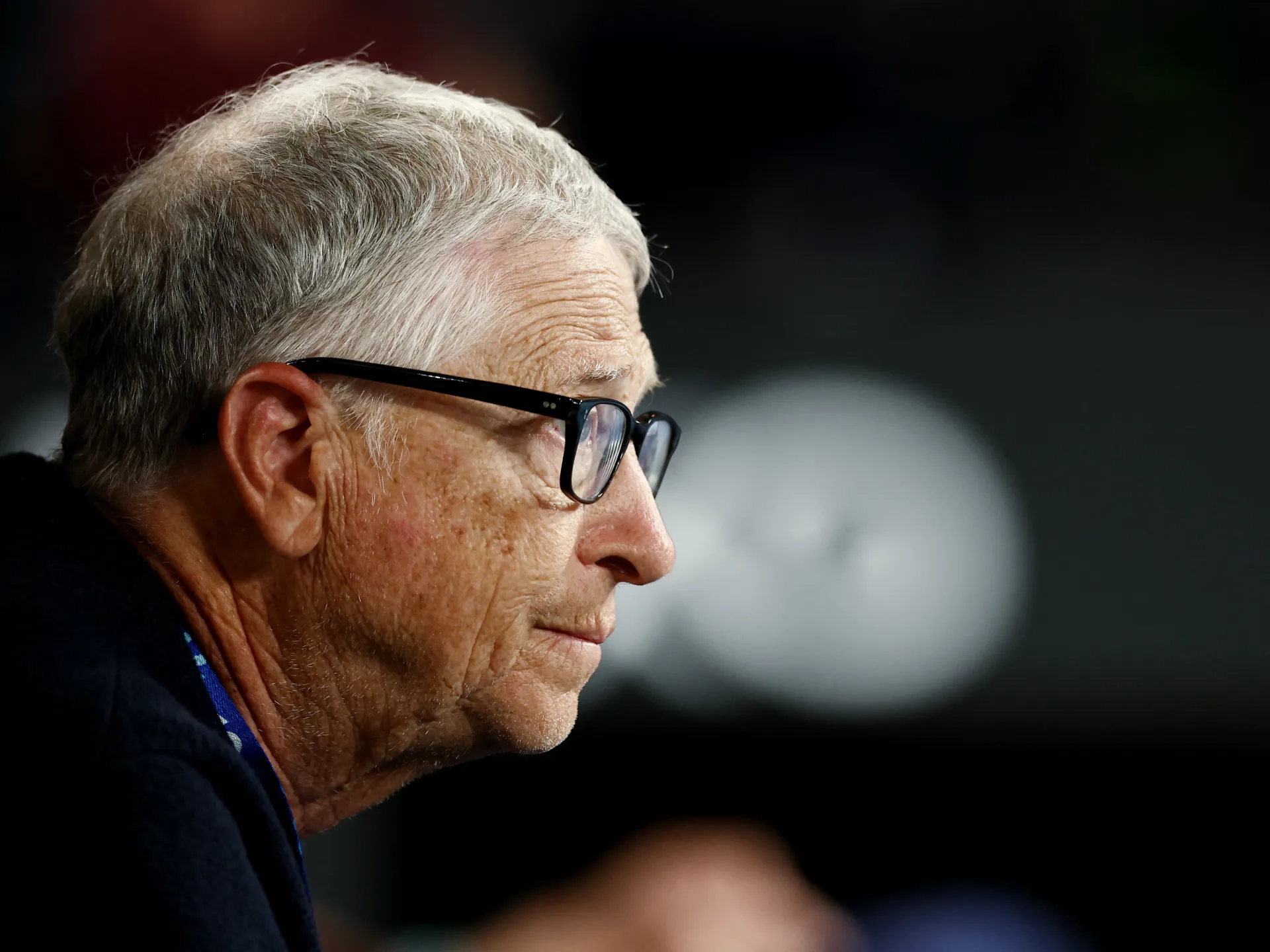
Bill Gates has stated that failing to enforce regulations and safeguards for artificial intelligence (AI) is "completely irresponsible" and could pose significant risks to humanity. In recent media appearances, he emphasized the importance of involving law enforcement and politicians in discussions about necessary oversight for AI technologies. Gates made these comments during an interview on NBC’s Meet the Press, parts of which aired on Sunday.
Read More
He warned that AI possesses the capability to drive events resulting in catastrophic loss of life, stating, "It’s certainly powerful enough to drive events that, you know, cause a billion deaths." Gates noted that preventing such outcomes may be more challenging than addressing other existential threats, such as nuclear proliferation.
Gates expressed his willingness to discuss these concerns directly with US President Donald Trump, countering Trump's designation of warnings about AI risks as a "hoax." He remarked, "I hope that, given my life’s work in the field, my saying how unique and different this is and how concerned I am will add to what he’s hearing from other people."
In recent weeks, leaders in the AI industry have echoed Gates' sentiments, advocating for frameworks to ensure that AI development does not surpass human oversight and potentially lead to disasters. Dario Amodei, CEO of the company Anthropic, which created Claude, warned the United Nations Security Council last week that improperly managed AI could threaten humanity.
However, Trump and his administration have hesitated to impose regulations on the burgeoning AI sector, viewing it as a key area in the competitive landscape between the US and China. Following a meeting with Chinese leader Xi Jinping, Trump reiterated his skepticism about AI warnings, likening them to other issues he dismisses, such as climate change.
Bill Gates, in a separate statement to CNN, clarified that implementing safeguards would not drastically impede industry progress, asserting that monitoring mechanisms could effectively assess the use of AI in areas like cyberattacks or bio-terrorism.
Gates co-founded Microsoft in 1975 and led the company through the rise of personal computing. He was the world's richest person for much of the past two decades before focusing on philanthropy. Earlier this month, his organization, the Gates Foundation, announced a $1 billion commitment to enhance AI access in developing countries.